

Yes, Haridwar is generally safe for tourists. It is one of the most visited pilgrimage cities in India, and its culture is shaped almost entirely around hosting visitors from across the country and beyond. That said, like any busy Indian city, it comes with specific situations that benefit from a little preparation.
This guide gives you an honest picture of safety in Haridwar, with practical tips for solo travellers, women, families, and first-timers.
How Safe is Haridwar Overall?
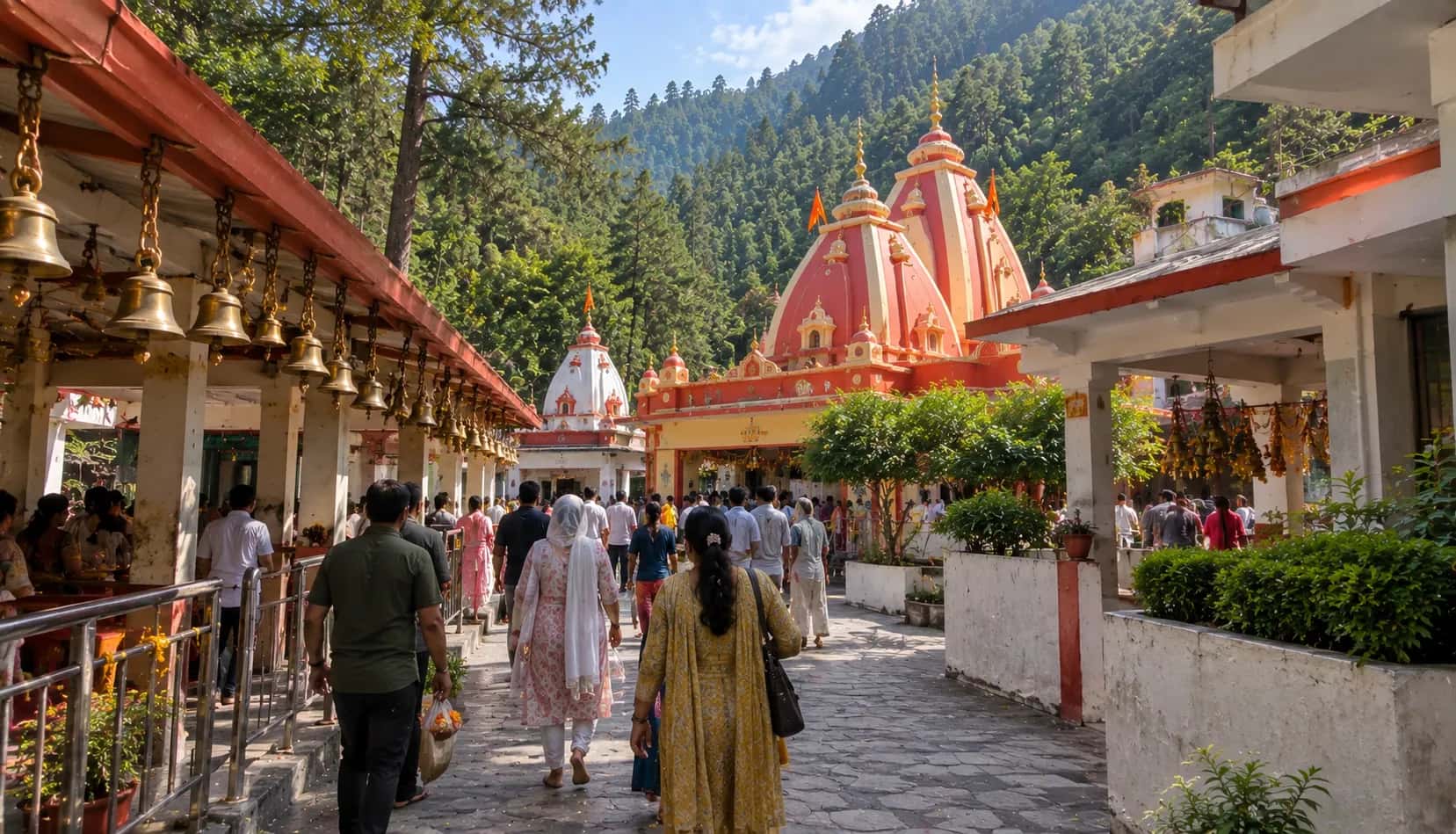
Haridwar is a temple city with a strong religious identity. This shapes the behaviour of most people here in practical ways: alcohol is banned within the city, the atmosphere around the ghats and temples is generally calm and devotional, and serious crime against tourists is rare.
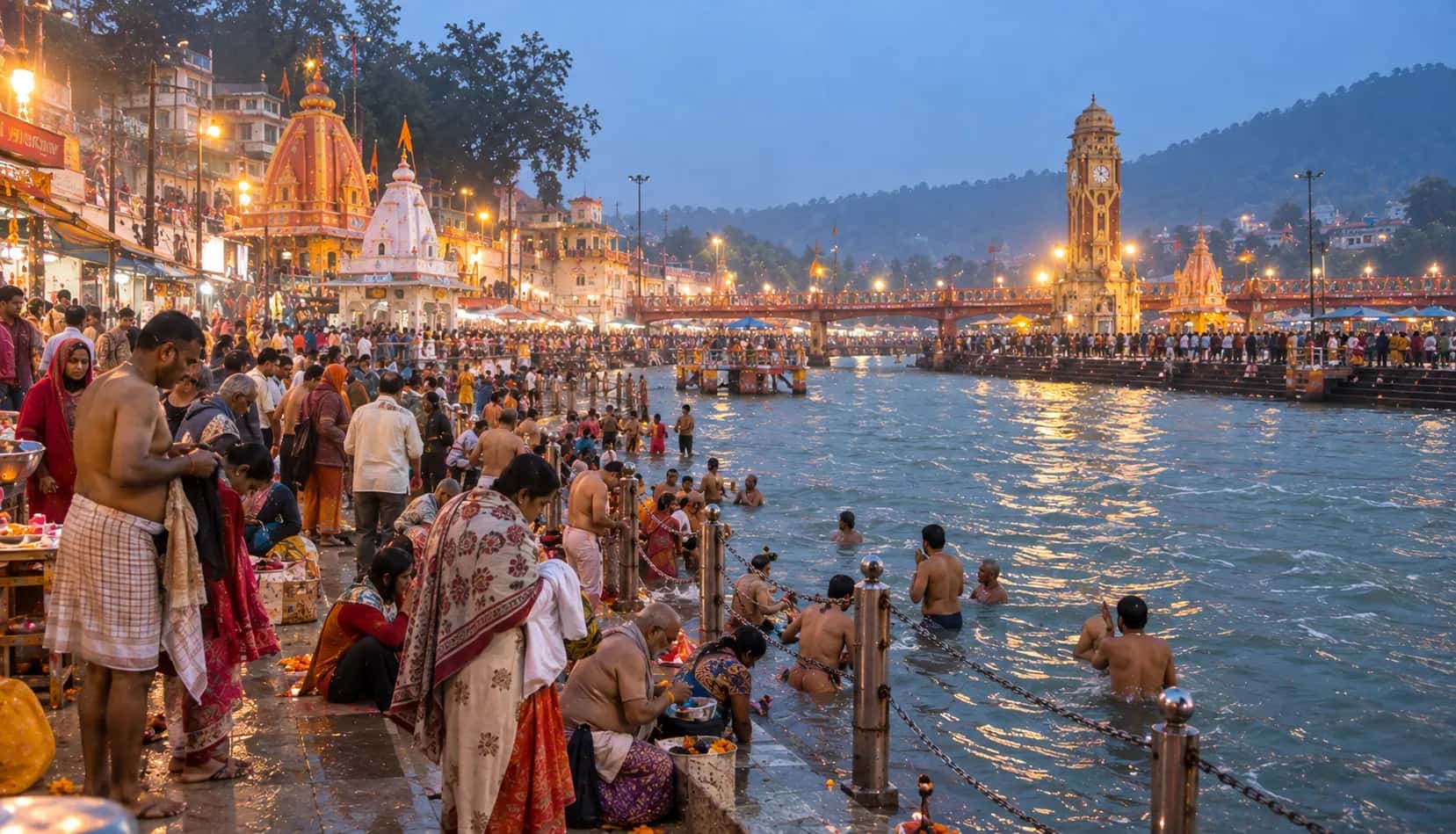
That does not mean it is without issues. Like most large pilgrimage destinations, Haridwar has street touts, overpriced rickshaws, crowded ghats where pickpocketing can happen, and neighbourhoods that vary significantly in character. Knowing where you are going and how to handle common situations removes most of the risk.

Is Haridwar Safe for Solo Female Travellers?
Many women travel to Haridwar alone every year, both Indian and foreign. The overall experience is positive for most, but specific practices make a real difference.
What works in your favour:
- The city's religious character creates a respectful public atmosphere at most temples and ghats
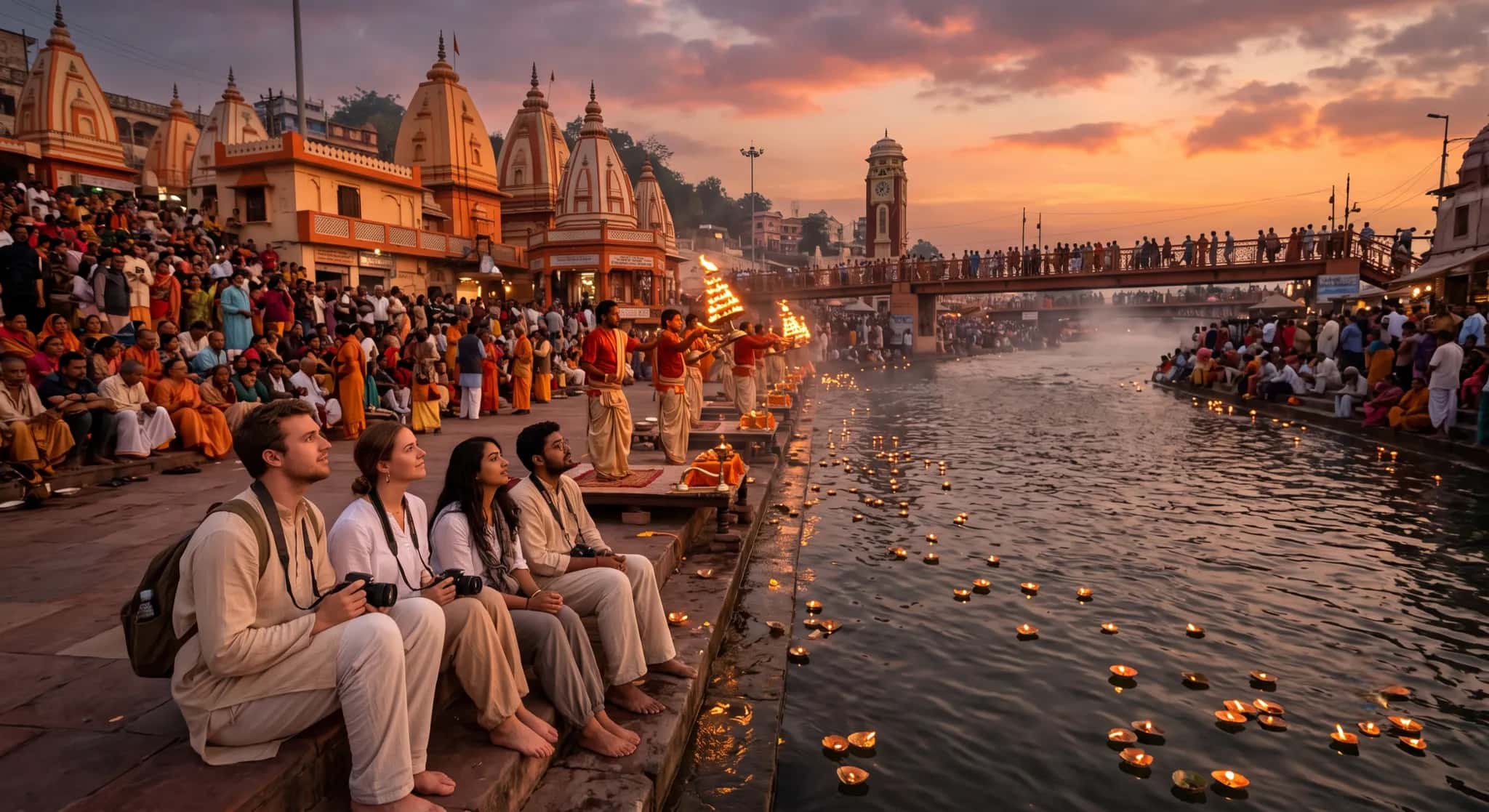
- Har Ki Pauri and the main ghat areas are well-lit and heavily visited until evening aarti ends
- Auto-rickshaws and shared vehicles are plentiful and standardly used by women
What to be mindful of:
- Avoid narrow lanes and less-lit side streets after dark, particularly away from the main ghat area
- Dress modestly, covering shoulders and knees. This is expected at temples and also reduces unwanted attention in the city
- If staying in the ghat area, verify the hotel's security setup before booking. A hotel outside the most congested zones is often easier to move around from
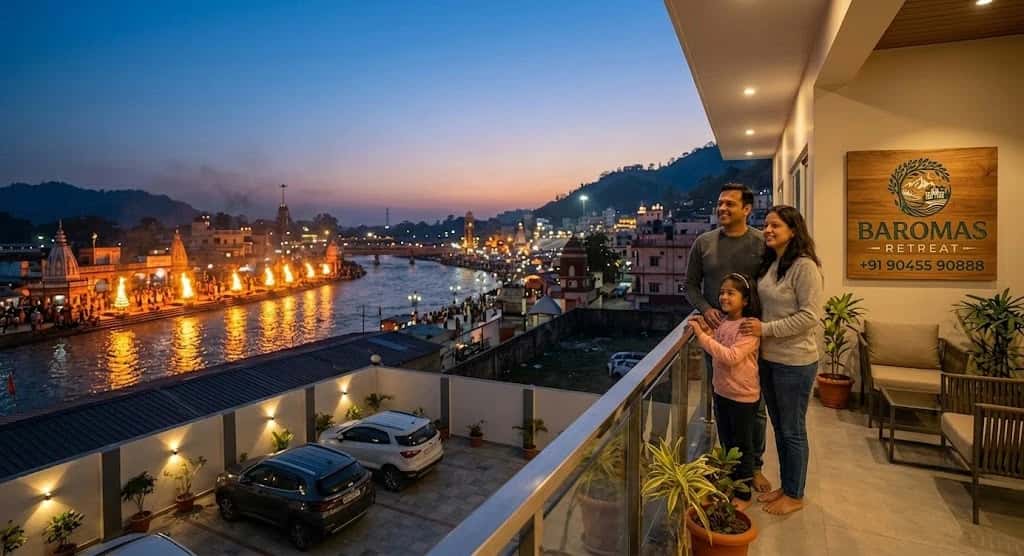
Choosing your base: Staying in a calmer area a short distance from the crowded ghat zone gives you more independence in the evenings. If you are planning 2 or 3 days, our Haridwar 2-day itinerary helps you structure days so you are at the busy spots during peak, safe hours rather than moving around at odd times.
Is Haridwar Safe at Night?
The Ganga Aarti at Har Ki Pauri draws large crowds every evening, and the area stays active until around 9 PM. That part of the city is safe during aarti hours. The main market streets nearby are also reasonably busy until that time.
After 9 PM, the ghat area thins out quickly. This is not a city with a nightlife scene. Most restaurants close by 9:30 PM and the ghats become quiet after aarti. Solo travellers, especially women, should be back at their accommodation by this time.
Practical night-time tips:
- Pre-arrange your return transport if you are attending evening aarti from a hotel outside the ghat zone
- Use app-based cabs (Ola, Uber) for night travel rather than negotiating with street-side auto drivers
- Keep your hotel's phone number saved; confirm they have 24-hour reception before checking in

Safety Tips for Families Visiting Haridwar
Haridwar is well-suited for family travel, including with children. A few things to manage:
Crowds at Har Ki Pauri: The main ghat gets extremely crowded during peak aarti, especially on weekends and festival days. Young children can be overwhelmed and it is easy to get separated. Keep children close and consider attending the morning aarti, which is less crowded than the evening one.
Ganga dips: The Ganga moves fast at several ghats, including Har Ki Pauri. Designated bathing areas have chains, but children should not be left unsupervised near the water. The current is stronger than it looks.
Food and water: Haridwar is a completely vegetarian city. Street food is widely available and generally hygienic at busy stalls. Stick to sealed bottled water throughout your stay.
Medical facilities: Haridwar has government and private hospitals. Rishikesh, 24 kilometres away, has AIIMS Rishikesh, one of the better-equipped medical facilities in the region.
For families planning the full Haridwar temple circuit, our guide on best places to visit in Haridwar with family covers which sites are manageable with children and which are best skipped during peak hours.
Common Tourist Scams to Know About
Being aware of these avoids the most frequent tourist frustrations:
Auto-rickshaw overcharging: Drivers near the railway station and bus stand frequently quote inflated prices to new arrivals. Use a meter or agree on the fare before getting in. App-based cabs give you the most transparent pricing.
Puja scams at ghats: Some individuals near the ghats offer to guide you through a puja ritual and then charge unexpectedly high amounts. If you want to participate in a puja, arrange it through your hotel or a fixed temple contact.
Prasad and donation pressure: You may be approached near temple entrances with requests for donations or asked to buy specific prasad. There is no obligation. Most temple trusts have official counters; those are the correct places to donate or purchase offerings.
Fake tour operators: Approach any package or day trip offer with caution unless it comes from a registered operator or your hotel. For understanding what to budget in the city generally, our Haridwar on a budget guide gives you fair price benchmarks for transport, food, and activities.

Health and Safety Basics
Water: Drink only bottled or purified water. This applies to ice as well.
Sun exposure: The Haridwar valley can be intense in summer. Carry sunscreen, a hat, and water if you are walking between ghats or trekking up to Mansa Devi or Chandi Devi.
Temple footwear: You will remove shoes frequently. Carry a small bag for them or use the paid shoe-keeping counters at major temples. Walking barefoot on stone ghats is common; be careful on wet surfaces.
Monsoon travel: If visiting between July and September, check road conditions before any excursion toward Rishikesh or further into the hills. Landslides on NH-58 and the Rishikesh road are a known seasonal risk. The India Meteorological Department posts updated Uttarakhand weather alerts that are worth checking before travel days during this season.
Travel insurance: Standard travel insurance covering medical expenses and trip interruption is advisable for any India trip. The Uttarakhand Tourism website has emergency contact information for the state, useful to save before you travel.
Is Haridwar Safe for Foreign Tourists?
Yes. Foreign tourists visit Haridwar regularly, particularly those on spiritual journeys, yoga retreats, or travelling the Rishikesh-Haridwar circuit. Foreign visitors stand out more in crowd situations, which can mean more attention from touts and vendors, but the city is generally welcoming and tourist-aware.
A few specifics for international visitors:
- Keep a copy of your passport and visa stored separately from the originals
- Register at your accommodation as required; hotels handle this as a standard check-in step
- The Indian emergency number is 112. The Haridwar police control room can also be reached at 01334-265012
For a broader picture of how Haridwar compares with Rishikesh as a base, particularly for international travellers deciding between the two, our Haridwar vs Rishikesh guide covers the key differences in character, facilities, and visitor experience.

Choosing a Safe Base in Haridwar
Where you stay shapes how safe and comfortable your visit feels. The densest tourist zone around Har Ki Pauri is convenient but also the most crowded and chaotic. Staying slightly outside the core ghat area typically means quieter streets, easier parking, and less pressure from the immediate tourist economy.
Before booking, our guide on how to choose the best hotel in Haridwar covers what to verify: security, neighbourhood, check-in policies, and distance to key sites.
For detailed neighbourhood comparisons and what each area offers in terms of both access and calm, where to stay in Haridwar breaks down the main zones including the Bahadrabad corridor on the Rishikesh side.