
Haridwar is one of the most rewarding cities in India for a first visit, and one of the most overwhelming if you arrive without any preparation. The city is ancient, loud, deeply spiritual, and unlike almost anywhere else you will have been. Pilgrims come from across India for the holy Ganga, the evening Aarti, the hilltop temples, and the sacred bathing ghats. Tourists come for all the same reasons.
This guide is everything a first-time visitor needs to know before arriving: what makes Haridwar special, what to see, how to get there, where to stay, what to eat, how to get around, what to wear, and a few honest notes on what catches new visitors off guard. Read it once, and you will arrive ready.

What Is Haridwar and Why Do People Visit?
Haridwar, whose name means "Gateway to God," is one of the seven holiest cities in Hinduism. It sits at 314 metres above sea level at the point where the Ganga River descends from the Himalayan foothills and enters the plains of North India. This transition point has been considered sacred for thousands of years, making Haridwar one of the oldest continuously inhabited cities in the world.
People visit for many different reasons. Pilgrims come for the Ganga Snan (holy dip), the Ganga Aarti, temple darshan, ancestral rituals, and the Char Dham Yatra. Families come for a spiritual break that is accessible and affordable. Travellers use it as a base for Rishikesh, Rajaji National Park, and the Himalayan hill stations. Whatever brings you here, Haridwar is likely to leave a deeper impression than you expected.
The One Experience You Cannot Miss: Ganga Aarti at Har Ki Pauri
The Ganga Aarti at Har Ki Pauri is the single most important experience in Haridwar, and it is completely free. Every evening at sunset, priests perform an elaborate fire ceremony on the banks of the Ganga, waving large brass lamps while thousands of devotees chant and release tiny diyas on the river.
Arrive at least 45 to 60 minutes before the ceremony begins to find a good position near the water. The ceremony lasts approximately 45 minutes. The most moving moments come at the end, when hundreds of floating diyas drift downstream on the dark water.
Evening aarti timings: approximately 5:30 to 6:00 PM in winter and 6:30 to 7:00 PM in summer. A morning aarti also takes place before sunrise for those who prefer a quieter experience. Our complete guide to Ganga Aarti timings and best spots covers everything you need to plan your evening.
Top Places to Visit in Haridwar
Haridwar is compact. Most major attractions are within a short auto-rickshaw ride or a walk of each other. Here is what to prioritise.
Har Ki Pauri: The most sacred ghat in the city, home to the Brahma Kund where Lord Vishnu is said to have left his footprint. The centre of all spiritual activity in Haridwar. See our full guide to Haridwar's best ghats for the quieter alternatives nearby.
Mansa Devi Temple: Perched on Bilwa Parvat and reached by a cable car (Udan Khatola) or a walking trail, this hilltop temple dedicated to Goddess Mansa Devi offers sweeping views of the city and the Ganga. The ropeway makes it accessible for elderly visitors and families with children. See our Mansa Devi Temple guide for timings and fares.
Chandi Devi Temple: Across the river on Neel Parvat, also reachable by ropeway, Chandi Devi is one of the Shakti Peethas and offers the best views in the city. See our Chandi Devi Temple guide for what to expect.
Maya Devi Temple: One of Haridwar's oldest temples, a Shakti Peeth in the heart of the city. Quiet, historically significant, and rarely crowded.
Daksha Mahadev Temple, Kankhal: About 4 to 6 km from Har Ki Pauri, this temple marks the site of the legendary Daksha Yagna and is one of the most mythologically significant sites in Haridwar. See our Daksha Mahadev Temple guide before visiting.
Bara Bazaar and Moti Bazaar: The city's main markets, full of Rudraksha beads, brass puja items, Ayurvedic products, and local sweets. See our guide to shopping in Haridwar for what to buy and where.
For a full sightseeing list with timings and tips, see our roundup of places to visit in Haridwar.
How to Get to Haridwar
Haridwar is well connected from across India by train, road, and air.
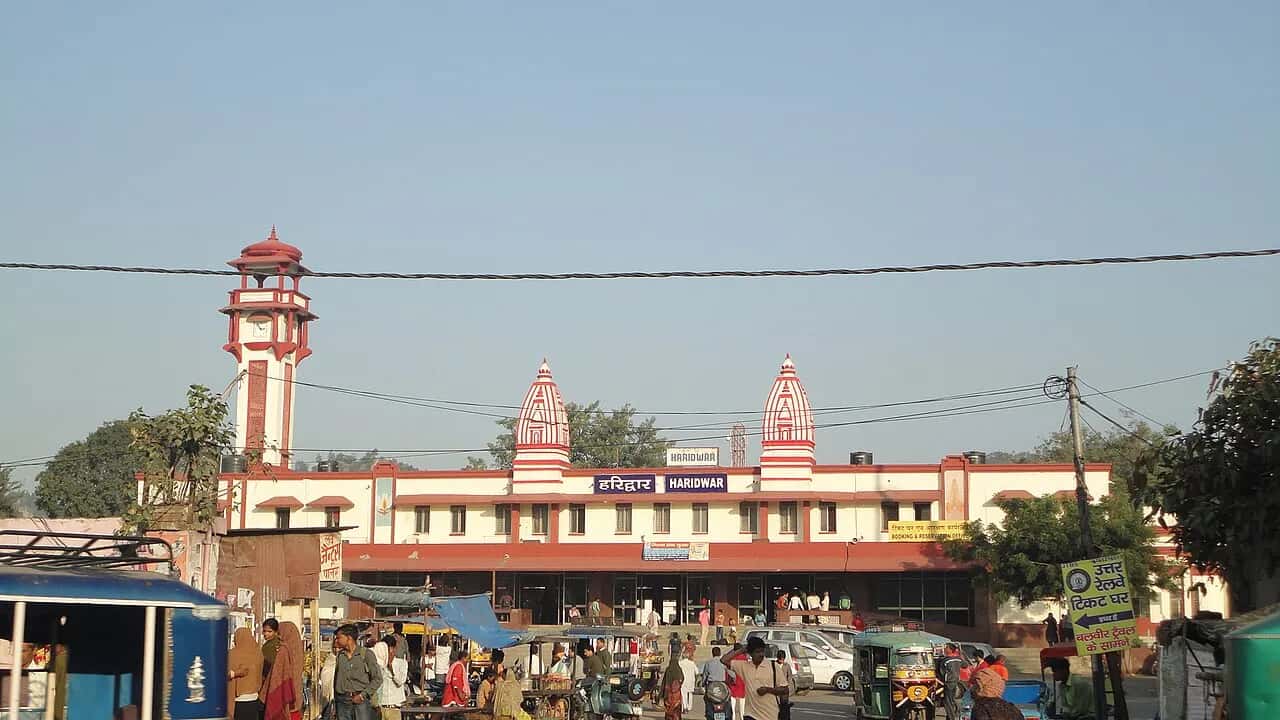
By train: Haridwar Junction (station code HW) is the nearest railway station, approximately 2.5 km from Har Ki Pauri. Direct trains run from Delhi (4.5 to 5 hours on the Vande Bharat or Shatabdi), Mumbai, Lucknow, Varanasi, and dozens of other cities. Book well in advance during festival season on IRCTC. See our complete Haridwar railway station guide for trains, fares, and arrival tips.
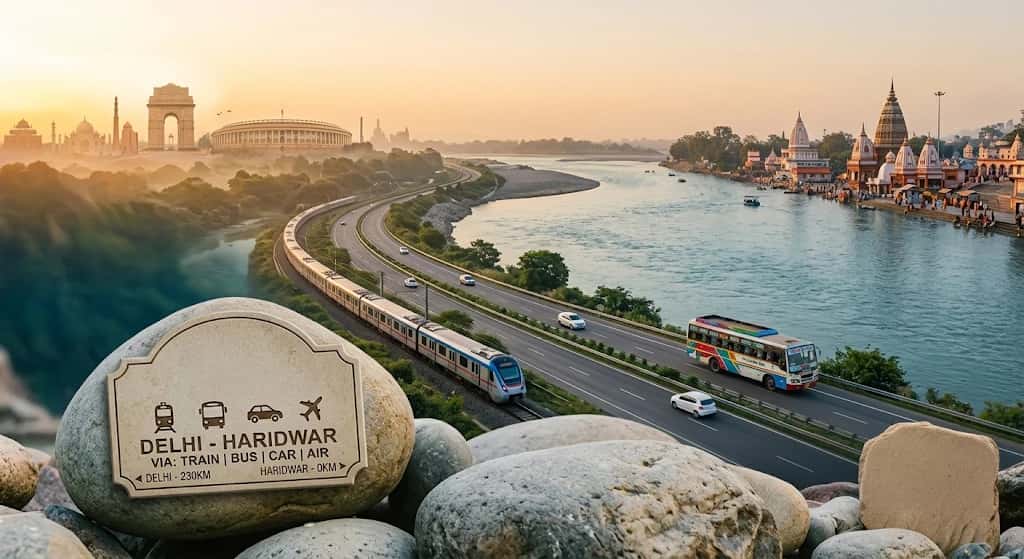
By road: Haridwar is approximately 230 km from Delhi, about a 5 to 6 hour drive via NH334. See our Delhi to Haridwar travel guide for all transport options and fares.
By air: The nearest airport is Jolly Grant in Dehradun, approximately 38 km from Haridwar and about 45 to 60 minutes by taxi. See our nearest airport to Haridwar guide for transfer details and costs.
Getting Around Haridwar
The city centre is compact and mostly walkable. Har Ki Pauri, Maya Devi Temple, and the main market are all within a 15-minute walk of each other. For longer distances, options include:
- Auto-rickshaws and shared tempos: the most common and affordable way to get around. Always agree on a fare before you get in. A short city ride should cost between 20 and 60 rupees.
- E-rickshaws: quieter and cleaner than autos, available throughout the city centre.
- Taxis and app-based cabs: Ola and Uber operate in Haridwar for longer distances or for reaching accommodation on the outskirts.
When to Visit Haridwar
The best time for a first visit is October to March, when the weather is cool and clear, the Ganga Aarti is at its most atmospheric, and the crowds outside of festival days are manageable. Summer (April to June) is hot but possible; the monsoon (July to September) brings lush green scenery but some road disruption and higher river levels at the ghats.
Our comprehensive best time to visit Haridwar guide covers every season in detail. For seasonal trip inspiration, see our Haridwar in October and Haridwar in December guides.
How Many Days Do You Need?
Two days gives you enough time to see Haridwar's highlights comfortably and add a day trip to Rishikesh. One day is possible but rushed. Three days lets you slow down and include Kankhal, a Rajaji safari, or a more leisurely exploration of the ghats.
See our full breakdown in the how many days in Haridwar guide and our Haridwar 2-day itinerary for a day-by-day plan.
Where to Stay in Haridwar
Haridwar's accommodation divides broadly into three zones. Near Har Ki Pauri gives you walking access to the ghats but means noise and crowds. Around the railway station is practical for quick overnight stops. The quieter outskirts offer space, calm, and better value.
For a detailed area comparison, see our where to stay in Haridwar guide. If budget and value matter most, our budget hotels in Haridwar guide covers the options honestly.
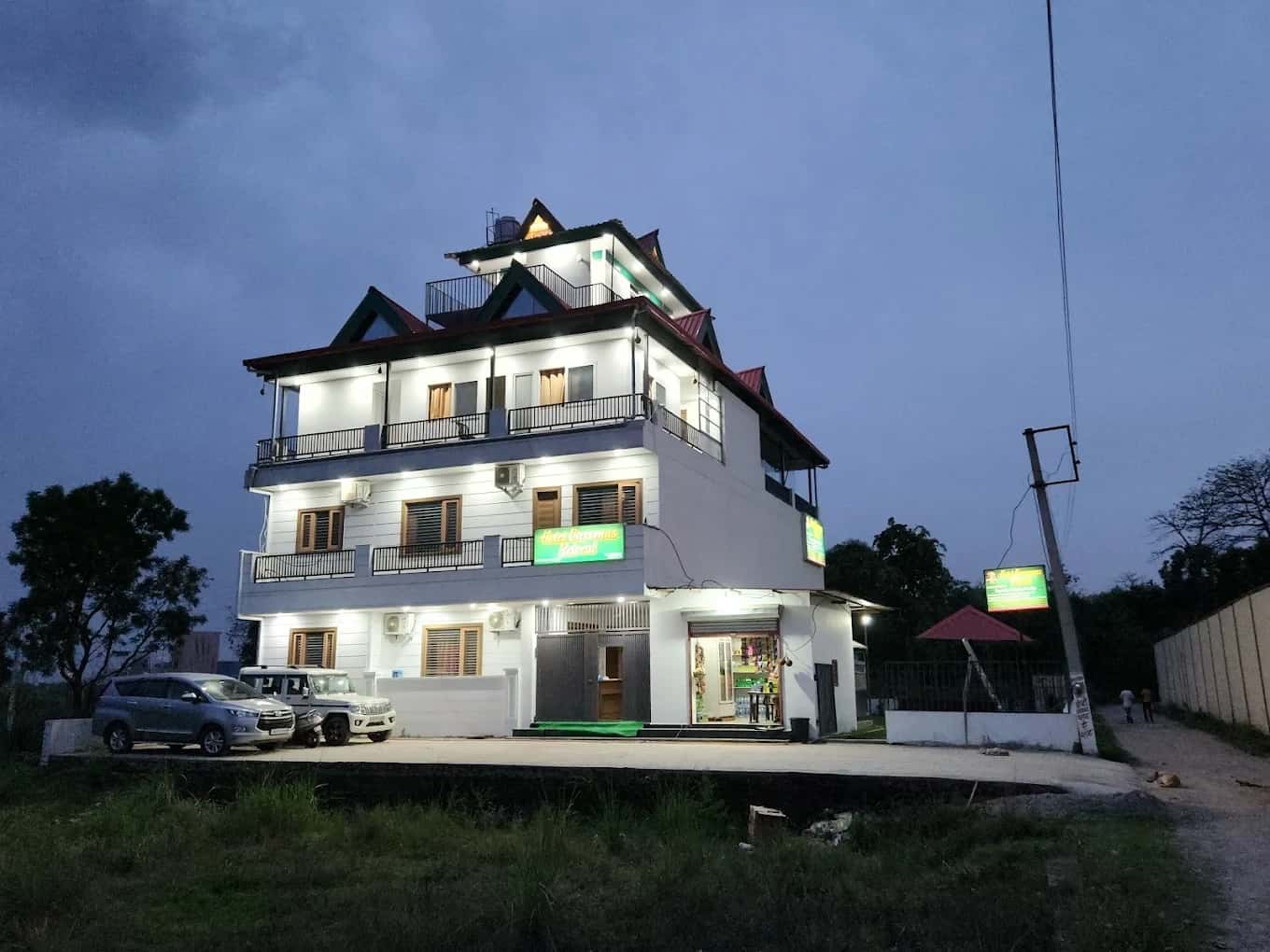
Baromas Retreat in Bahadrabad sits on Haridwar's quieter outskirts, about a 40-minute drive (roughly 13 km) from Har Ki Pauri. It is a warm, family-friendly, affordable base on the Rishikesh-facing side of the city, making it convenient for both the ghats and day trips. View the available rooms and book directly via WhatsApp.
What to Eat in Haridwar
Haridwar is a pure-vegetarian city by religious tradition. No non-vegetarian food and no alcohol is served anywhere. The food is sattvic, mostly onion and garlic-free, and genuinely excellent at the street stalls and local dhabas.
Must-try dishes: aloo puri (the classic Haridwar breakfast), kachori sabzi, jalebi, lassi in clay pots, peda (the city's famous milk sweet), and kanji vada. Expect to eat well for 100 to 200 rupees per person. For the best dhabas and stalls, see our where to eat in Haridwar guide.
Essential First-Timer Rules and Etiquette
A few habits make a Haridwar visit smoother and more respectful.
Dress modestly. Cover shoulders and knees at all temples and ghats. Carry a light dupatta or shawl. This applies to all visitors regardless of faith.
Remove footwear. Take off shoes before entering any temple or ghat area. Shoe storage is available near most temple entrances.
No photography inside temples. Photography is generally not permitted inside the inner sanctum of any temple. At the Ganga Aarti, photography is allowed from the ghat steps but avoid using flash toward the priests.
Cash is essential. Most stalls, dhabas, auto-rickshaws, and small vendors are cash only. ATMs are available around the city but carry sufficient rupees before arriving at the ghats.
Respect the river. The Ganga is a sacred deity in this city, not just a river. Avoid throwing any waste into the water. Use biodegradable flower offerings if you wish to participate in the rituals.
Hold the safety chains at the ghats. The Ganga current is strong, especially in and after the monsoon. Never bathe without holding the chains, and follow ghat attendants instructions at all times. See our Ganga snan guide for full ghat safety advice.
Beware of overpriced rides and fake priests. Always agree on a fare before getting into an auto. For puja services, use the priests at the main temples rather than those who approach you on the street.
Day Trips from Haridwar
Haridwar makes an excellent base for the surrounding region. Rishikesh (25 km) is an easy half-day or full-day trip for yoga, ashrams, the Ram Jhula bridges, and adventure activities. See our Laxman Jhula and Ram Jhula day trip guide for a complete Rishikesh plan.
For wildlife, Rajaji National Park's Chilla gate is 12 km from the city and offers morning jeep safaris with reliable elephant sightings. See our Rajaji National Park safari guide for booking and zone details.
For hill stations, Dehradun is 50 km and Mussoorie 80 km by road. See our hill stations near Haridwar guide for honest drive-time comparisons.
For the Char Dham Yatra, Haridwar is the traditional starting point. See our Char Dham Yatra from Haridwar guide for routes, itinerary, and 2026 registration details.
For more day-trip and activity ideas, see our roundup of things to do near Haridwar and tourist places near Haridwar.
Is Haridwar Safe for First-Time Visitors?
Yes. Haridwar is safe and welcoming for first-time visitors of all backgrounds and faiths. The city is genuinely pilgrimage-oriented, which means it tends toward order and hospitality even when crowded.
Standard urban precautions apply: watch your belongings in dense ghat areas and markets, agree on fares before getting into autos, and avoid accepting unsolicited services from people who approach you. Stick to well-lit areas after dark. For full safety guidance, see our is Haridwar safe for tourists guide. For more travel planning resources, browse the full Baromas Retreat blog.
Ready to plan your first Haridwar trip? Book your stay directly with Baromas Retreat on WhatsApp at 7248557777 for a warm, comfortable, and family-friendly welcome on Haridwar's peaceful outskirts.