


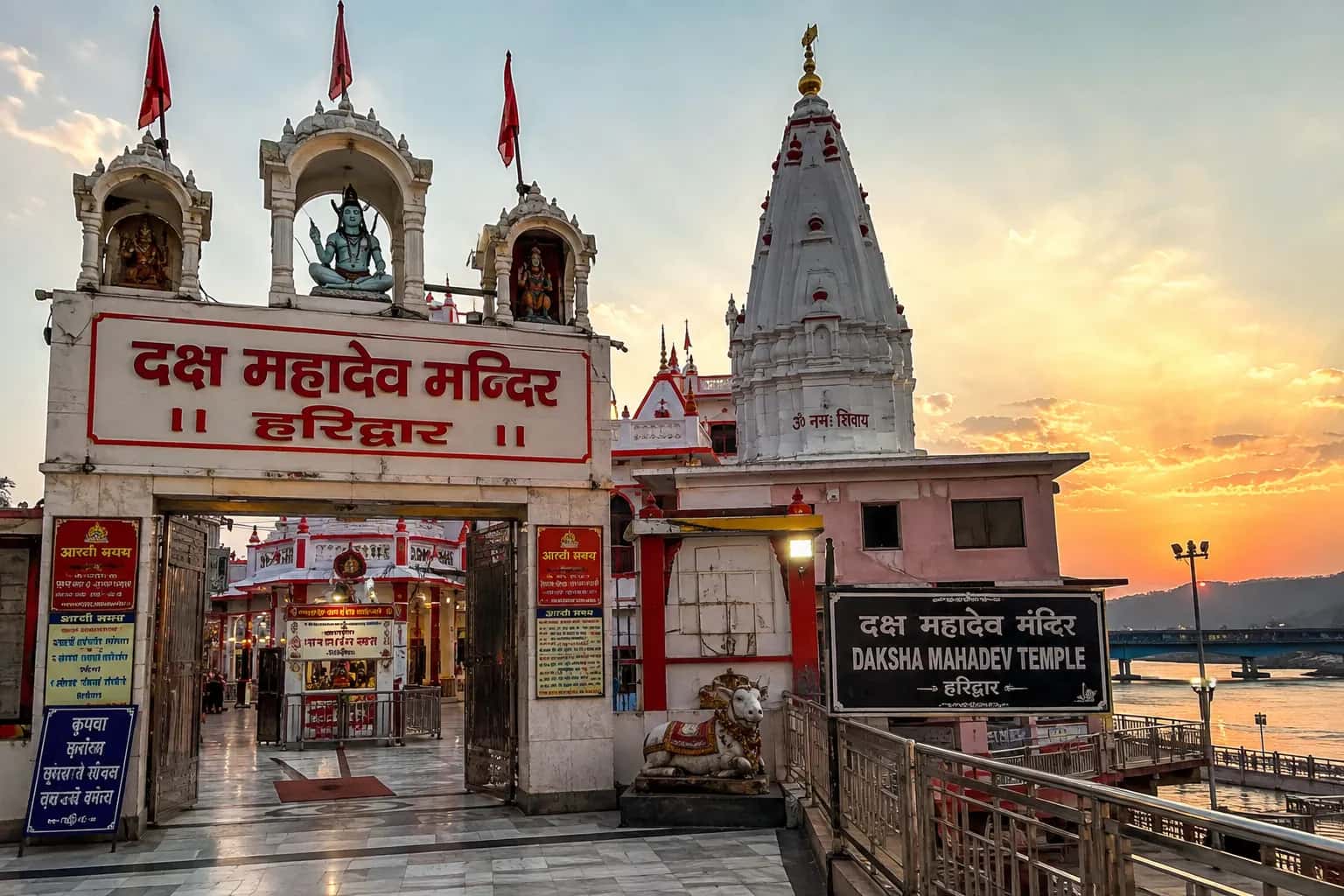

Haridwar, the "Gateway to God," sits where the Ganges spills out of the Himalayan foothills onto the plains. It draws pilgrims, wellness seekers, and travellers headed deeper into Uttarakhand all year round — but the experience changes dramatically with the seasons. Whether you're planning your first Ganga Aarti or using the town as a base for a Himalayan journey, knowing the best time to visit Haridwar will help you avoid heat, rain, and crowds while catching the town at its most beautiful. Here's how each season stacks up.
Winter (October to February): The Best Time to Visit
If you want one clear answer, this is it. The months from October through February are widely considered the best time to visit Haridwar. Daytime temperatures hover between a comfortable 10°C and 25°C, the monsoon humidity has cleared, and the air along the riverbank is crisp and fresh. This is the ideal window for the evening Ganga Aarti at Har Ki Pauri, long walks along the ghats, and day trips to Rishikesh without battling the heat.
Winter is also the most photogenic season, with clear skies offering glimpses of the distant snow-capped peaks. December and January nights can drop close to 5°C, so pack a few warm layers. Because the weather is so pleasant, this is peak season — booking your stay early matters. A quiet, well-located base like Baromas Retreat lets you enjoy the calm without the chaos of the crowded town centre, and reserving directly through our booking page often secures better rates than the travel aggregators.
Summer (March to June): Hot but Quieter
Summer brings rising temperatures, with May and June regularly crossing 38–40°C. The heat can make midday sightseeing tiring, especially around the open ghats. That said, summer has its advantages: fewer tourists, lower room rates, and easy availability. Early mornings and evenings remain pleasant for the Aarti and riverside time.
Summer is also the gateway season for the Char Dham Yatra, when pilgrims pass through Haridwar on their way to Kedarnath, Badrinath, Gangotri, and Yamunotri. You can check temple opening dates and registration details on the official Char Dham Devasthanam portal before you plan. If you're using Haridwar as a launch point, our guide to things to do around the retreat covers cooler early-morning options worth fitting into a summer itinerary.
Monsoon (July to September): Lush but Tricky
The monsoon transforms the surrounding hills into lush green slopes, and the Ganges runs full and powerful. It's a dramatic, atmospheric time to visit — but it comes with caveats. Heavy rainfall can cause the river to swell, occasionally restricting access to the ghats, and landslides sometimes disrupt road travel into the higher Himalayan regions. It's wise to track conditions through the India Meteorological Department before and during your trip.
For travellers who don't mind a little unpredictability, the monsoon offers the lowest prices and the smallest crowds of the year. The rain-washed evenings can be genuinely magical, and the cooler temperatures are a welcome relief after the harsh summer. Just keep your itinerary flexible, carry waterproof gear, and avoid planning tight onward connections into the mountains where road conditions can change quickly.
Festivals and Special Occasions
Some travellers time their visit specifically around Haridwar's spiritual calendar. Kanwar Yatra (July–August) sees millions of saffron-clad devotees collect Ganges water — an extraordinary sight, but one that brings enormous crowds and heavy restrictions. The Kumbh Mela and Ardh Kumbh, held every few years, are once-in-a-lifetime gatherings that draw visitors from across the world.
If you're considering a festival visit, plan accommodation months in advance and review official advisories on the Uttarakhand Tourism website. For most leisure travellers, however, the calmer winter months still deliver the richest experience of the town.
Getting There and Where to Stay
Haridwar is well connected by rail, with frequent trains from Delhi and other major cities. You can check schedules and book seats through IRCTC. The nearest airport is Dehradun (Jolly Grant), about 35 km away, and roads from Delhi are smooth for self-drive or cab travellers.
Wherever the season takes you, your choice of stay shapes the whole trip. To understand what makes a riverside base special, our retreat experience page walks through the setting, the amenities, and the slow-living philosophy behind Baromas Retreat.
The Bottom Line
For the best balance of pleasant weather, clear skies, and a vibrant but manageable atmosphere, plan your Haridwar trip between October and February. Summer suits budget travellers and Char Dham pilgrims, while the monsoon rewards the flexible with greenery and low prices. Whatever you choose, book early, Haridwar's most peaceful corners fill up fast.
Ready to plan your visit? Reserve your stay at Baromas Retreat and experience the Ganges the calm way.