
Haridwar and Rishikesh sit just 25 to 30 km apart, and the iconic bridges and ashrams of Rishikesh make for one of the most rewarding day trips you can do from the holy city. Laxman Jhula, Ram Jhula, and Parmarth Niketan are the three landmarks most visitors come to see, and together they can fill a rich, unhurried day. This guide covers the distance from Haridwar, how to get there, what to do at each spot, and a few honest notes on the current status of the bridges so you arrive with the right expectations.

Distance from Haridwar to Laxman Jhula and Ram Jhula
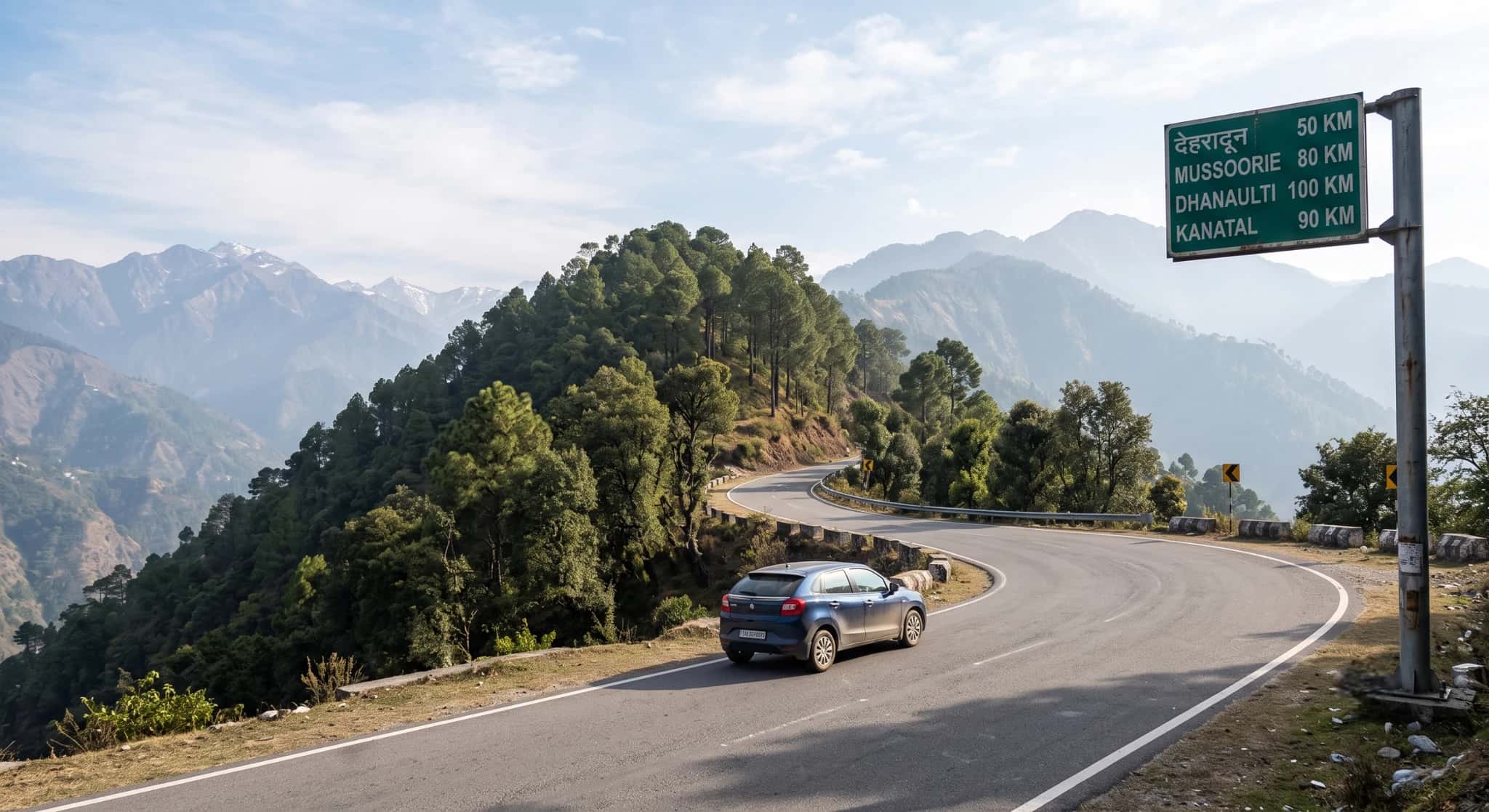
All three landmarks are in Rishikesh, not Haridwar, so you are looking at a short road journey before you start exploring.
- Haridwar to Laxman Jhula: approximately 28 to 30 km, about 45 minutes to 1 hour by road.
- Haridwar to Ram Jhula: approximately 25 to 28 km, about 40 to 50 minutes by road.
- Haridwar to Parmarth Niketan: approximately 25 km, about 40 to 50 minutes by road. The ashram sits a few hundred metres downstream from Ram Jhula.
- Laxman Jhula to Ram Jhula (on foot): approximately 1 to 1.5 km, a 20 to 25 minute riverside walk.
How to Get from Haridwar to Laxman Jhula and Ram Jhula
By shared auto or bus: the most budget-friendly option, with shared autos and state buses running regularly between Haridwar and Rishikesh for around ₹35 to ₹80 per person. From Rishikesh city, a short local auto takes you to the bridge area.
By private taxi or cab: the most comfortable and flexible option, especially with family or elderly relatives. A one-way taxi typically costs around ₹500 to ₹800. Pre-booking is recommended during weekends and festival season.
By own vehicle: a straightforward drive along the Haridwar to Rishikesh highway. Note that four-wheelers are not permitted on either bridge, so park on the western bank and walk across.
For a full breakdown of all Haridwar to Rishikesh transport options, see our Haridwar to Rishikesh distance and travel guide.
Current Status of Laxman Jhula: What You Need to Know
Before you visit, here is the honest update most travel guides skip. Laxman Jhula, the older and more famous of the two bridges, was closed permanently for crossing in 2019 after structural inspections found it unsafe. As of mid-2026, the bridge is undergoing further construction and restoration work and remains closed to pedestrians.
The good news: you can still visit the Laxman Jhula area. The surrounding markets, temples, cafes, and the beautiful riverfront remain open and very much worth exploring. You can view the iconic bridge from the banks and photograph it against the forest hills. Additionally, Bajrang Setu, a new modern glass-floor suspension bridge being built adjacent to Laxman Jhula, is nearing completion and expected to open soon. As of mid-2026 it is reportedly free to cross, though a nominal pedestrian tariff may apply once formally inaugurated.
Ram Jhula, the larger bridge further downstream, remains fully open and is where most visitors cross today.
Ram Jhula: The Bridge to Cross
Ram Jhula is a 750-foot iron suspension bridge built in 1986, open 24 hours a day to pedestrians and two-wheelers. Crossing it offers sweeping views of the Ganga, the forested Himalayan foothills, and the ashrams lining the far bank. It sways gently underfoot, which children find exciting and which is entirely safe.
The Ram Jhula side connects directly to the spiritual quarter of Rishikesh, including Parmarth Niketan, Gita Bhawan, and Sivananda Ashram, making it the most useful crossing for a visitor
itinerary.
Parmarth Niketan: The Evening Highlight
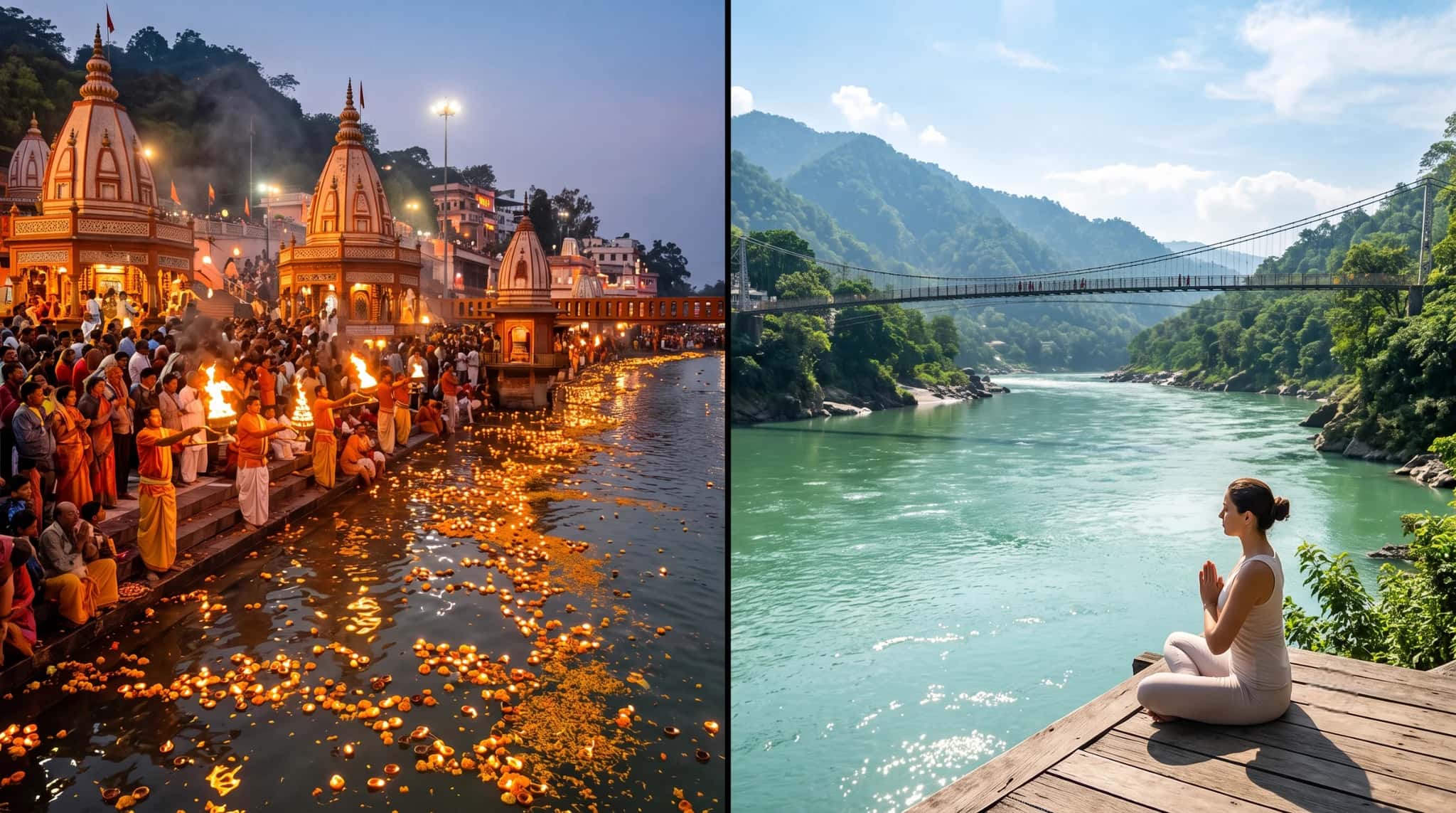
A few hundred metres downstream from Ram Jhula, Parmarth Niketan is one of the largest and most respected ashrams in Rishikesh. It is best known for its evening Ganga Aarti, held at the riverfront every evening at approximately 6:00 PM (timings shift slightly with the season, so arrive by 5:45 PM to find a seat).
The ceremony is deeply moving, with priests lighting lamps to the river while pilgrims sing devotional songs. It is comparable in atmosphere to the Haridwar Ganga Aarti, though on a more intimate scale. The ashram also runs daily yoga and meditation programmes, open to visitors. Entry to the ashram and the aarti is free.
A Suggested Day Itinerary
Here is a practical plan for a full day from Haridwar:
Morning: Leave Haridwar early (by 8:00 to 9:00 AM) to avoid the traffic that builds on the Rishikesh road by mid-morning. Head to the Laxman Jhula area first, walk the riverside market, photograph the bridge, and explore the temples including the 13-storey Trimbakeshwar Temple nearby.
Midday: Walk the 1 to 1.5 km riverside path south to Ram Jhula, stopping at one of the many riverside cafes for lunch. The walk along the Ganga between the two bridge areas is one of the most enjoyable short walks in Rishikesh.
Afternoon: Cross Ram Jhula and explore the ashram quarter, including Parmarth Niketan, Swarg Ashram, and Sivananda Ashram. If you want to visit the Beatles Ashram (Chaurasi Kutia), it is a short walk from the Laxman Jhula area and a fascinating stop for its murals and meditation halls.
Evening: Be at Parmarth Niketan by 5:45 PM for the 6:00 PM Ganga Aarti. After the ceremony, cross Ram Jhula back to the western bank and head back toward Haridwar.
Practical Tips for the Visit
- Go early or late. Midday in summer is hot, and the bridges get crowded from 11:00 AM onward on weekends. Early morning and late afternoon are the most pleasant times.
- Four-wheelers cannot cross either bridge. Park on the western bank and walk.
- Dress modestly near the ashrams and temples.
- Carry cash. Most riverside cafes and market stalls are cash-only.
- Check Laxman Jhula status locally before visiting, as construction progress may change what is accessible.
- Respect the monkeys. The Laxman Jhula market area has temple monkeys that will grab food or loose items. Hold bags close and keep snacks out of sight.
For seasonal travel advice, our guide to the best time to visit Haridwar is a useful reference, and the official Uttarakhand Tourism site has current advisories. Weather in the hills can change quickly, so check the India Meteorological Department forecast before you go.
Where to Stay for Easy Access
The easiest way to do this day trip is to base yourself in Haridwar and drive out for the day. Baromas Retreat in Bahadrabad sits on Haridwar's quieter outskirts, about a 40-minute drive (roughly 13 km) from Har Ki Pauri and well placed on the Rishikesh side of the city. That means your drive toward Rishikesh starts without crossing the congested city centre, saving time each way. After a long and rewarding day of bridges, ashrams, and the evening aarti, a comfortable, restful room to return to makes the whole experience better.
For help choosing your base, see our guide on where to stay in Haridwar, and browse more travel ideas on the Baromas Retreat blog.
Ready to plan your Rishikesh day trip from Haridwar? Book your stay directly with Baromas Retreat on WhatsApp at 7248557777 for a warm, comfortable welcome on Haridwar's peaceful outskirts.