
Kainchi Dham is one of the most visited spiritual sites in the Kumaon hills of Uttarakhand. Tucked between two mountains on the Nainital-Almora highway, this ashram was established by Neem Karoli Baba in 1962 and continues to draw thousands of devotees, spiritual seekers, and curious travellers every year.
What makes Kainchi Dham unlike most temple towns is the silence. There are no loudspeakers, no crowds pressing against you, no vendors blocking every gate. The Kosi river runs alongside the ashram, and the surrounding hills keep the atmosphere unusually still for such a popular destination.
This guide covers everything you need to know before visiting: its history, timings, how to reach, best season, and practical travel tips.
A Brief History of Kainchi Dham
Kainchi Dham takes its name from the two hairpin bends ("kainchi" means scissors in Hindi) visible on the mountain road near the site. Neem Karoli Baba, also known as Maharaj-ji, chose this location in the early 1960s. The main temple, dedicated to Lord Hanuman, was consecrated on 15 June 1964, a date still celebrated each year with a massive gathering.
To understand the depth of Neem Karoli Baba's influence, it helps to read the Wikipedia page on Neem Karoli Baba, which documents his teachings, his following among Western seekers, and the global reach of his legacy. His disciples included Ram Dass, author of "Be Here Now," and a circle of spiritual teachers who brought his message of love and service to audiences worldwide.
Two notable tech figures visited the ashram years apart. Steve Jobs came in 1974, a trip he later described as foundational to his thinking on intuition and experience. Mark Zuckerberg visited in 2015 and recalled that Baba advised him to focus on the mission of connecting people. These visits have brought Kainchi Dham significant attention beyond traditional pilgrimage circles, making it a destination for people who may not describe themselves as religious but are drawn to its atmosphere.
Why Kainchi Dham is Trending in 2025
Kainchi Dham has seen a sharp rise in visitors over the past few years. Search interest is growing. Instagram reels showing the ashram's riverside location, the morning puja, and the surrounding mountain scenery regularly attract hundreds of thousands of views.
Part of the appeal is contrast. Most Uttarakhand temple destinations involve large crowds, commercial activity around the gates, and a hurried atmosphere. Kainchi Dham is different. Visitors frequently comment that the place feels like a genuine retreat, not a tourist attraction. That reputation is drawing a younger, experience-focused audience alongside the traditional devotee base.
The bhandara (free community meal) also draws people specifically. On Saturdays and Sundays, lunch prasad is served. On Tuesdays, dinner is available. If you want to experience the bhandara, plan your visit accordingly.

Kainchi Dham Temple Timings
| Time | Activity |
|---|---|
| 6:45 AM | Gates open / Morning aarti begins |
| 7:00 AM | Full morning aarti (check with ashram for current schedule) |
| Noon | Afternoon break period (check local notice boards) |
| 6:45 PM | Evening aarti begins |
| 7:00 PM | Evening aarti / closure |
| 8:00 PM | Ashram closes for the day |
The ashram is open daily. Timings can shift slightly around major festivals, particularly the annual Bhandara on 15 June.
Entry fee: Free. No ticket is required.
Distance from Haridwar to Kainchi Dham
Kainchi Dham is approximately 255 to 260 kilometres from Haridwar. The drive takes 5 to 6 hours depending on traffic, road conditions, and the mountain section between Kathgodam and Nainital.
This distance matters: Kainchi Dham is not a day trip from Haridwar. Planning to drive there and back in a single day leaves almost no time at the ashram itself and puts 10 to 12 hours of driving into one day on mountain roads. The sensible approach is to plan at least one night in the Nainital or Bhimtal area and combine the ashram with a short Kumaon itinerary.
If you are already planning a Haridwar trip and want to add Kainchi Dham as an Uttarakhand extension, it works well as a second leg. You could spend 2 to 3 days in Haridwar for the Ganga aarti, the ghats, and the major temples, then drive into Kumaon for Kainchi Dham on the way back. For planning the Haridwar portion, our Haridwar 2-day itinerary gives you a tested schedule for both days.
How to Reach Kainchi Dham
By Road
The most practical option. Kainchi Dham sits on the Nainital-Almora highway (NH-109), about 17 kilometres from Nainital and 11 kilometres from Bhowali. Taxis are available from Nainital, Haldwani, and Kathgodam.
From Haridwar, the route goes: Haridwar -- Roorkee -- Rampur -- Haldwani -- Kathgodam -- Bhowali -- Kainchi Dham. Use the Rampur bypass to avoid town congestion.
By Train
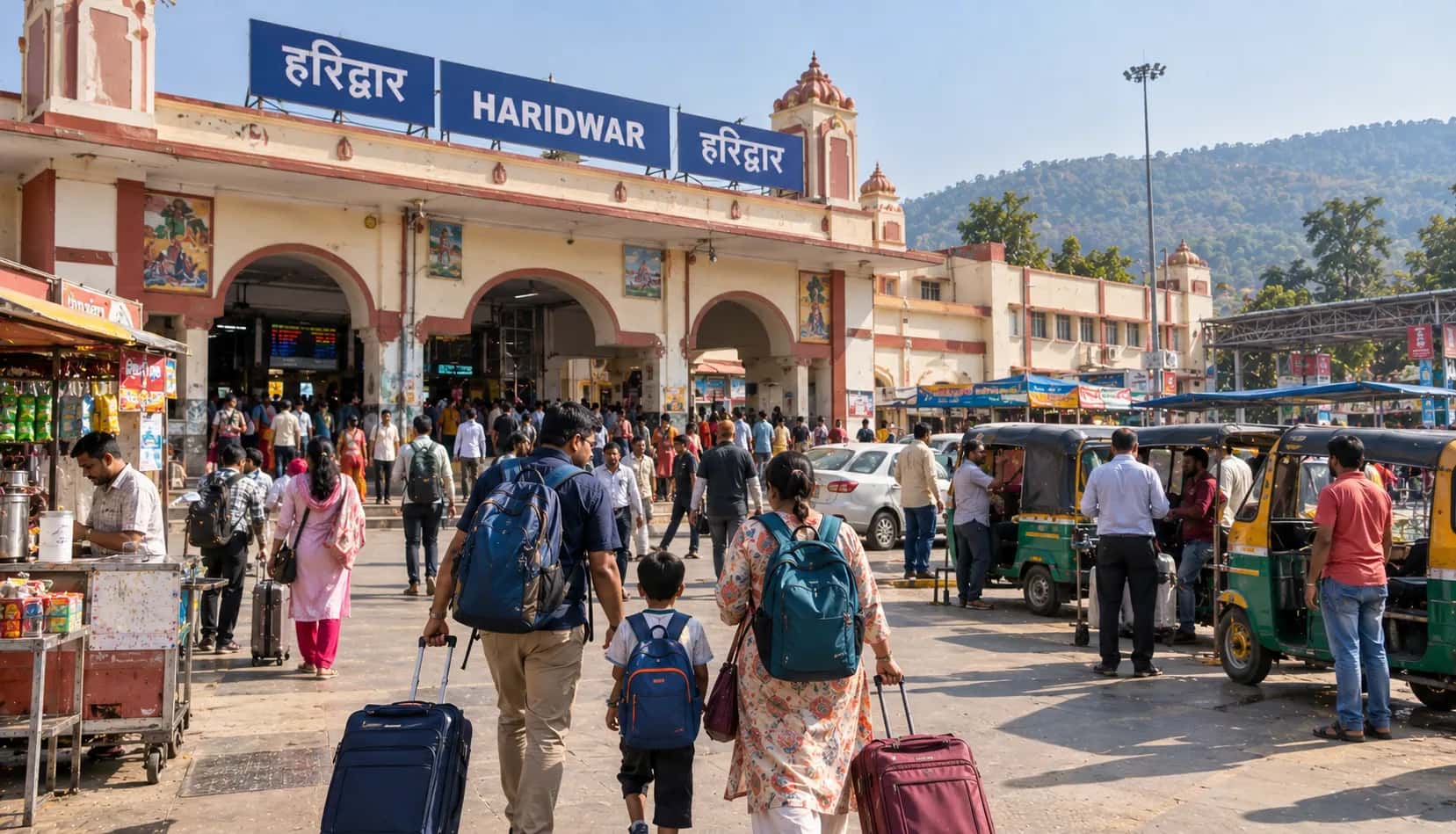
The nearest major railhead is Kathgodam, approximately 43 kilometres from Kainchi Dham. Kathgodam is well connected to Delhi, Lucknow, and other northern cities. You can check train schedules and book tickets on IRCTC. From Kathgodam, shared taxis and buses run toward Nainital and pass through Bhowali, from where Kainchi Dham is a short ride.
By Air
Pantnagar Airport is the nearest domestic airport, around 70 kilometres from Kainchi Dham. Taxis are available from the airport. Flight availability is limited, so most travellers combine air travel with the train option via Kathgodam.

Best Time to Visit Kainchi Dham
The ashram is open year-round, but the experience varies significantly by season.
March to June: The most popular window. Weather in the Kumaon hills is clear and mild, with daytime temperatures between 15 and 25 degrees Celsius. The annual Bhandara on 15 June draws the largest gathering of the year and is worth attending if crowds don't deter you.
July to September: Monsoon season. Roads between Bhowali and Kainchi Dham can be affected by landslides. The ashram remains open, but travel requires extra caution and flexibility.
October to February: Cool and quiet. November through January can be cold at night, but the relative absence of crowds makes for a more personal visit. The Kosi valley looks particularly striking on clear winter mornings.
For weather forecasts before your trip, the India Meteorological Department provides updated forecasts for Uttarakhand districts, including Nainital where Kainchi Dham is located.
If you are planning the broader Uttarakhand part of your trip, the Uttarakhand Tourism website carries permit information, route updates, and accommodation listings for the region.
What to Expect at the Ashram
Kainchi Dham is an active ashram, not a managed tourist site. A few things to keep in mind:
Dress: Modest and conservative. Shoulders and knees covered for both men and women. Avoid bright, flashy clothing.
Photography: Photography inside the main temple hall is generally not permitted. Follow directions from ashram staff. Landscapes and the riverside are typically fine to photograph.
Mobile phones: Many visitors keep them put away as a mark of respect. The ashram does not enforce this, but the general atmosphere encourages disconnecting.
Shoes: Remove footwear before entering the temple and at designated points inside the ashram complex.
Timing your visit: Morning aarti at 6:45 AM is a quieter, more intimate experience. Midday on weekends is the busiest period.
Prasad and bhandara: Do not carry outside food into the ashram. The bhandara (Saturdays, Sundays for lunch; Tuesdays for dinner) is free and open to all. Waiting in line is part of the experience.

Combining Kainchi Dham with a Haridwar Trip
Most visitors to Kainchi Dham come from Delhi, Lucknow, or other northern cities. If Haridwar is your entry point into Uttarakhand, it makes a natural first stop before heading into the hills.
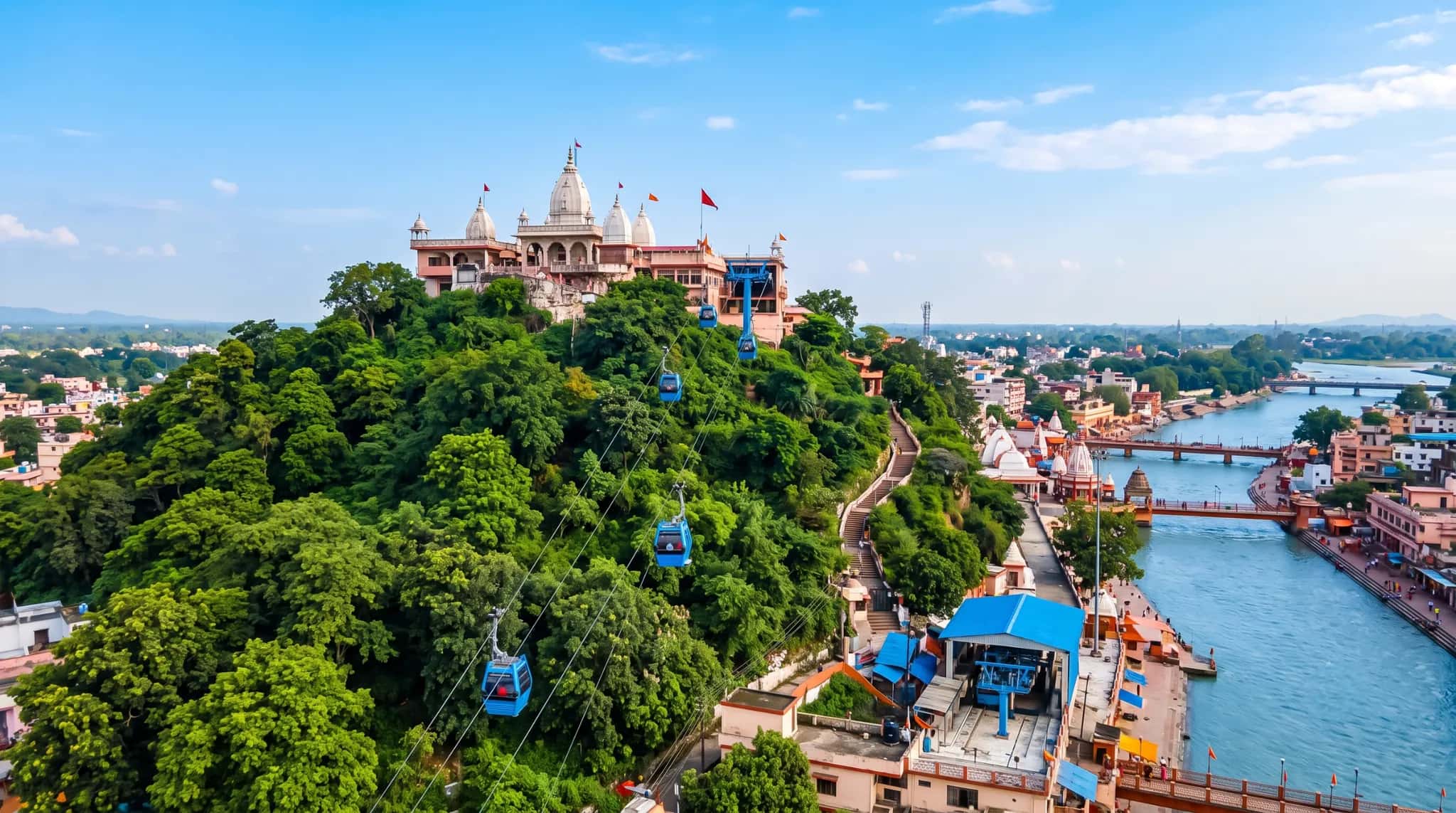
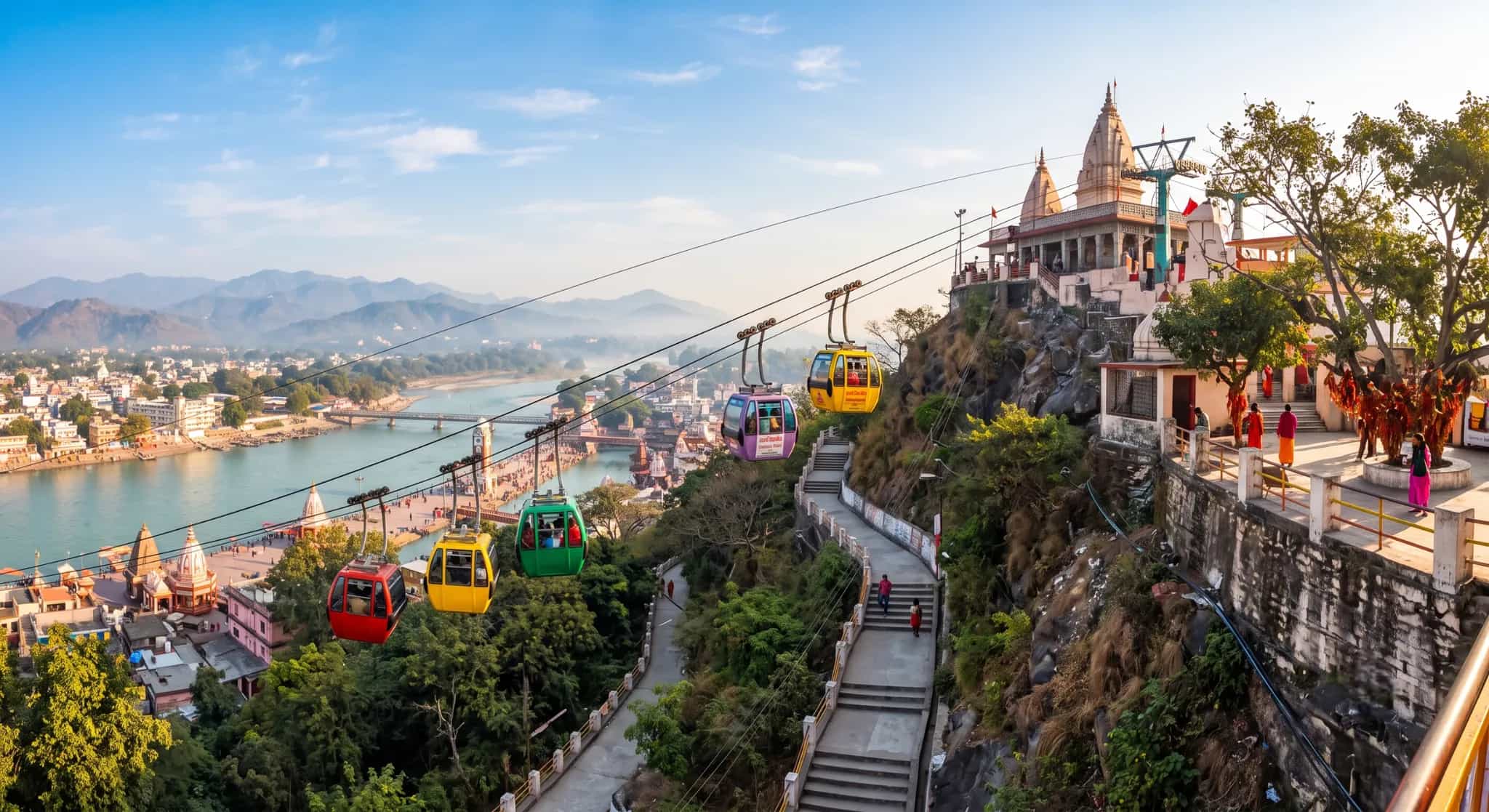
Haridwar gives you Har Ki Pauri, the evening Ganga aarti, Mansa Devi and Chandi Devi temples, and a strong sense of the Ganga basin before the Himalayas begin. For information on where to stay in Haridwar during this leg, our guide covers the main areas and what each suits.
If you have not yet decided how many days to spend in Haridwar before heading toward Kainchi Dham, our piece on the best time to visit Haridwar will also help you decide whether the season you are travelling in suits the city's major ghats and temple routes.
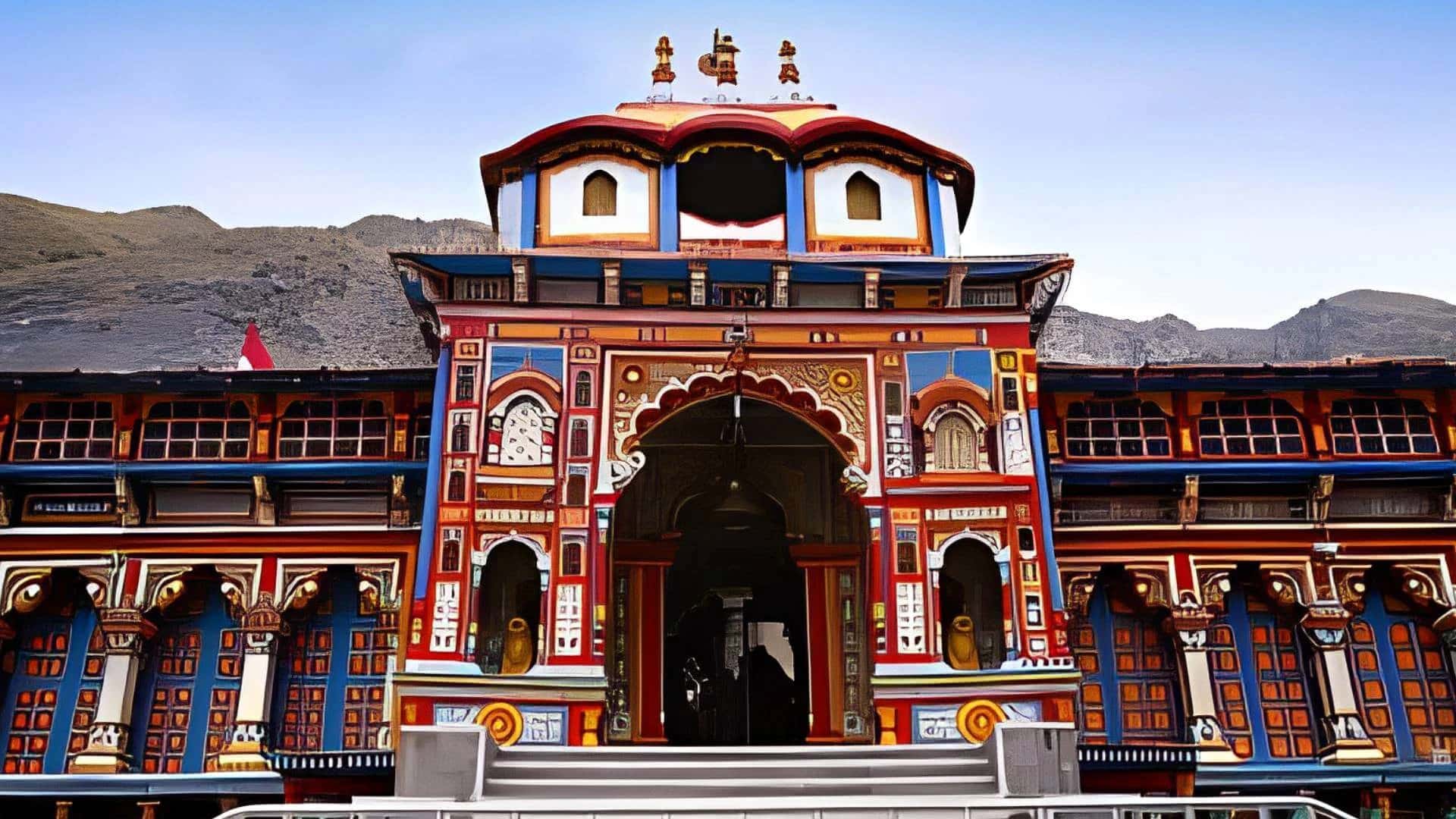
For travellers doing the Char Dham Yatra from Haridwar, Kainchi Dham can be a meaningful side extension on the return leg, particularly for those drawn to the Neem Karoli Baba tradition.
Visitors interested in the broader temple circuit will also find our guides on Mansa Devi Temple Haridwar and Chandi Devi Temple Haridwar useful for planning the Haridwar portion of their Uttarakhand trip.