
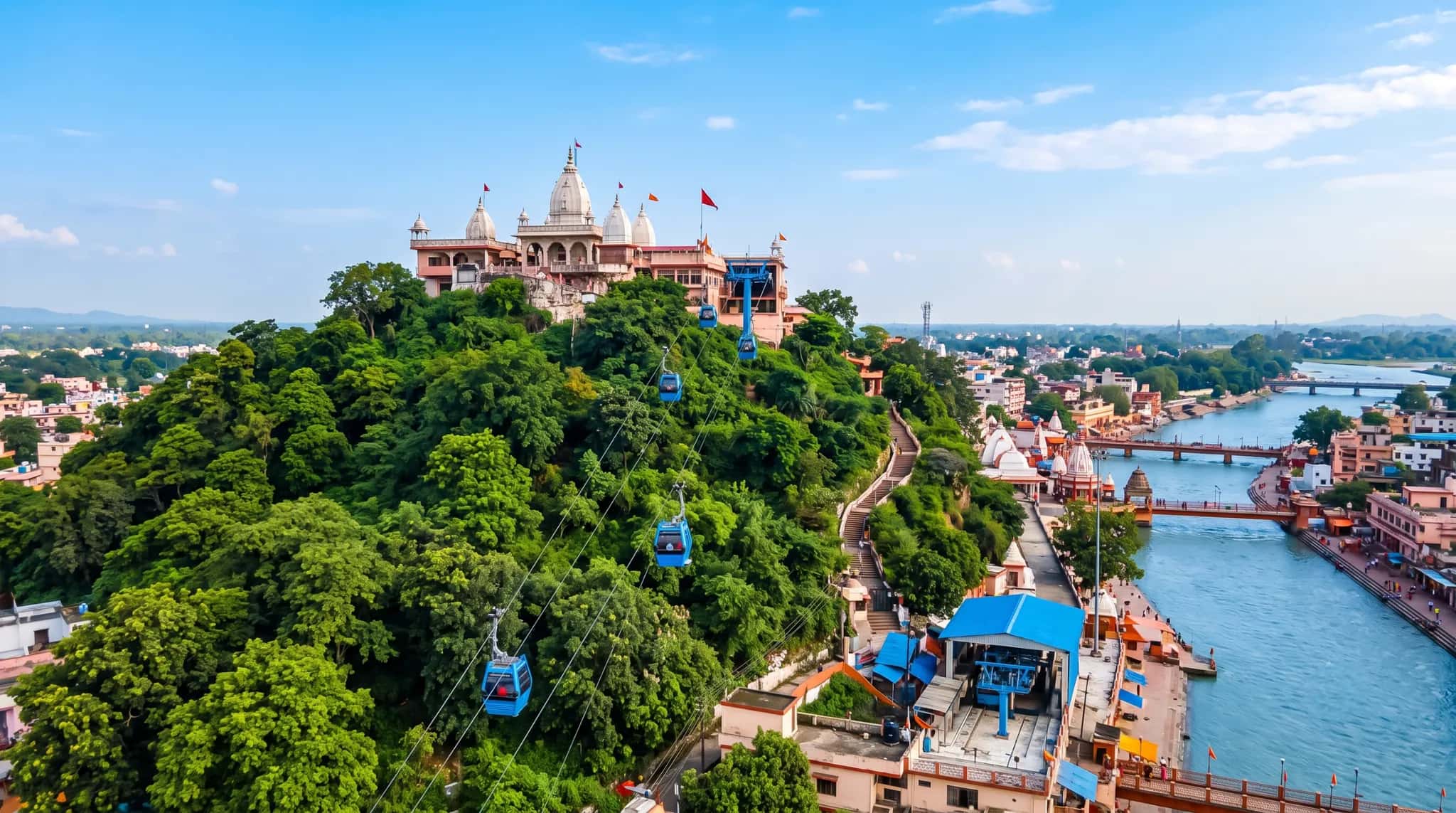
Maha Shivratri in Haridwar is one of the most spiritually charged experiences in India. The Great Night of Shiva transforms the holy city into a space of quiet intensity, where the ghats fill with devotees, temples stay open through the night, and the Ganga herself seems to carry an added sanctity. If you are planning a visit for Maha Shivratri, this guide covers everything you need: the date, darshan timings, the prahar puja schedule, Ganga snan, travel advice, and how to make the most of the night.

When is Maha Shivratri?
Maha Shivratri falls on the Chaturdashi Tithi of Krishna Paksha in the month of Phalguna according to the Hindu lunar calendar. In 2026 it was observed on Sunday, 15 February, with rituals extending into the early hours of 16 February. The most spiritually significant moment, the Nishita Kaal, falls around midnight, traditionally considered the time when Lord Shiva is most receptive to prayers.
Because the date follows the lunar calendar, it shifts each year. The next occurrence falls in late February or early March 2027. Always confirm the exact date for the year you are planning to visit through the official Drik Panchang (drikpanchang.com) or the Uttarakhand Temple Committee, since no fixed Gregorian date applies year to year.
Why Haridwar is Special for Maha Shivratri
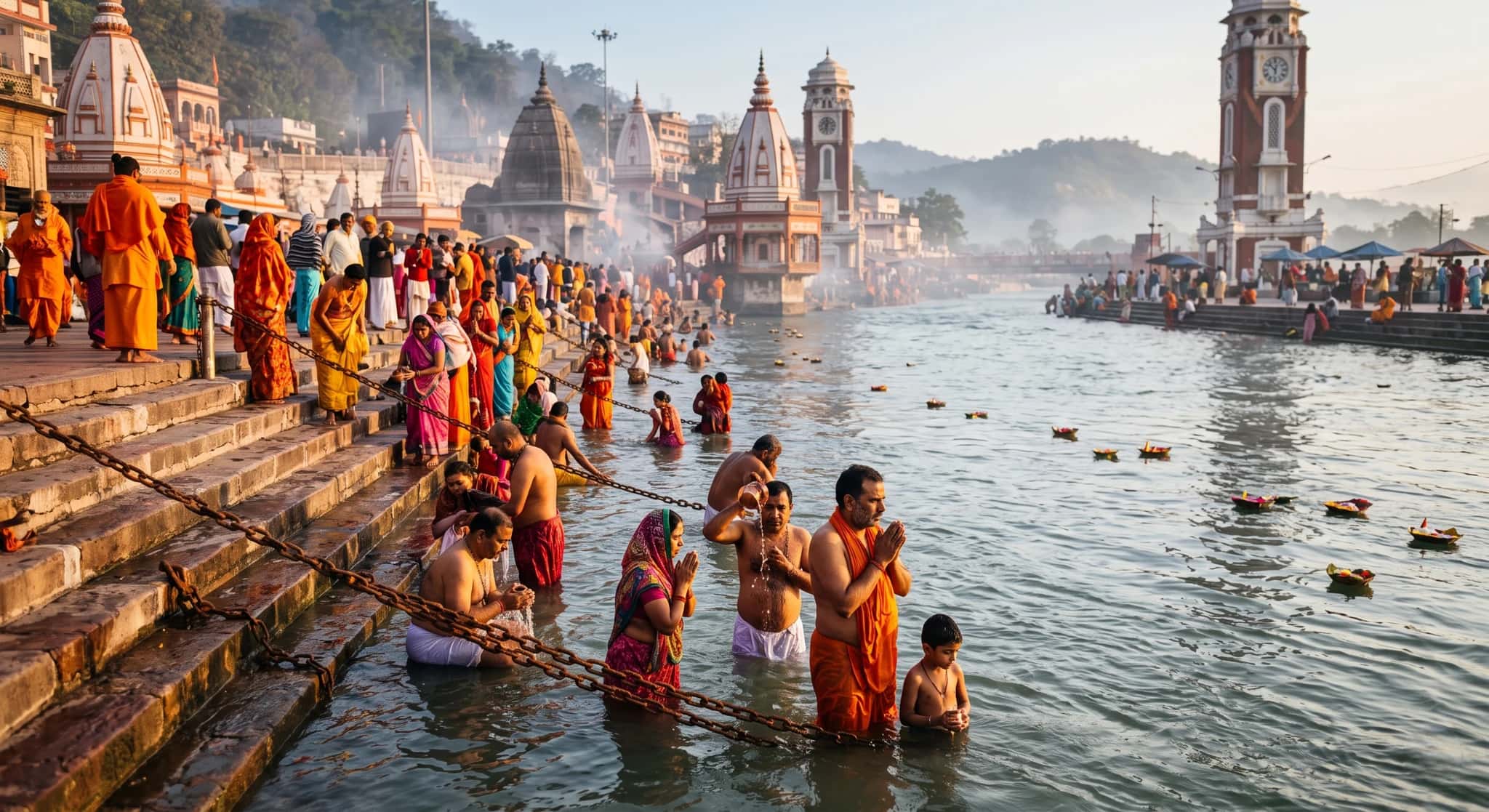
Haridwar sits at the point where the Ganga descends from the Himalayan foothills onto the plains, carrying with it the spiritual energy of the mountains. Because the Ganga is inseparably linked to Lord Shiva in Hindu tradition, Shivratri here carries a depth that is hard to find elsewhere. The ghats at Har Ki Pauri become spaces of quiet devotion through the night, temples near the river stay open for continuous darshan, and even visitors who arrive without strict ritual plans often find themselves drawn into the atmosphere of prayer and stillness.
Darshan Timings on Maha Shivratri
Unlike a regular festival day, Maha Shivratri is not a single-moment celebration. It unfolds through the night in four phases, known as prahar pujas, each lasting roughly three hours. Temples in Haridwar follow this structure, staying open through all four phases for continuous darshan and Rudrabhishek.
The four prahars and their approximate timings (adjust for your visit year based on the local Panchang):
- First Prahar: approximately 6:00 PM to 9:00 PM on the evening of Shivratri. The formal night-long worship begins after sunset.
- Second Prahar: approximately 9:00 PM to midnight. Crowds build steadily through this period.
- Third Prahar (Nishita Kaal): approximately midnight to 3:00 AM. This is the most auspicious window of the night, when Jal Abhishek and mantra chanting carry the highest spiritual merit. Expect the largest crowds at this hour.
- Fourth Prahar: approximately 3:00 AM to sunrise. The atmosphere quietens and becomes deeply meditative as the night draws toward dawn.
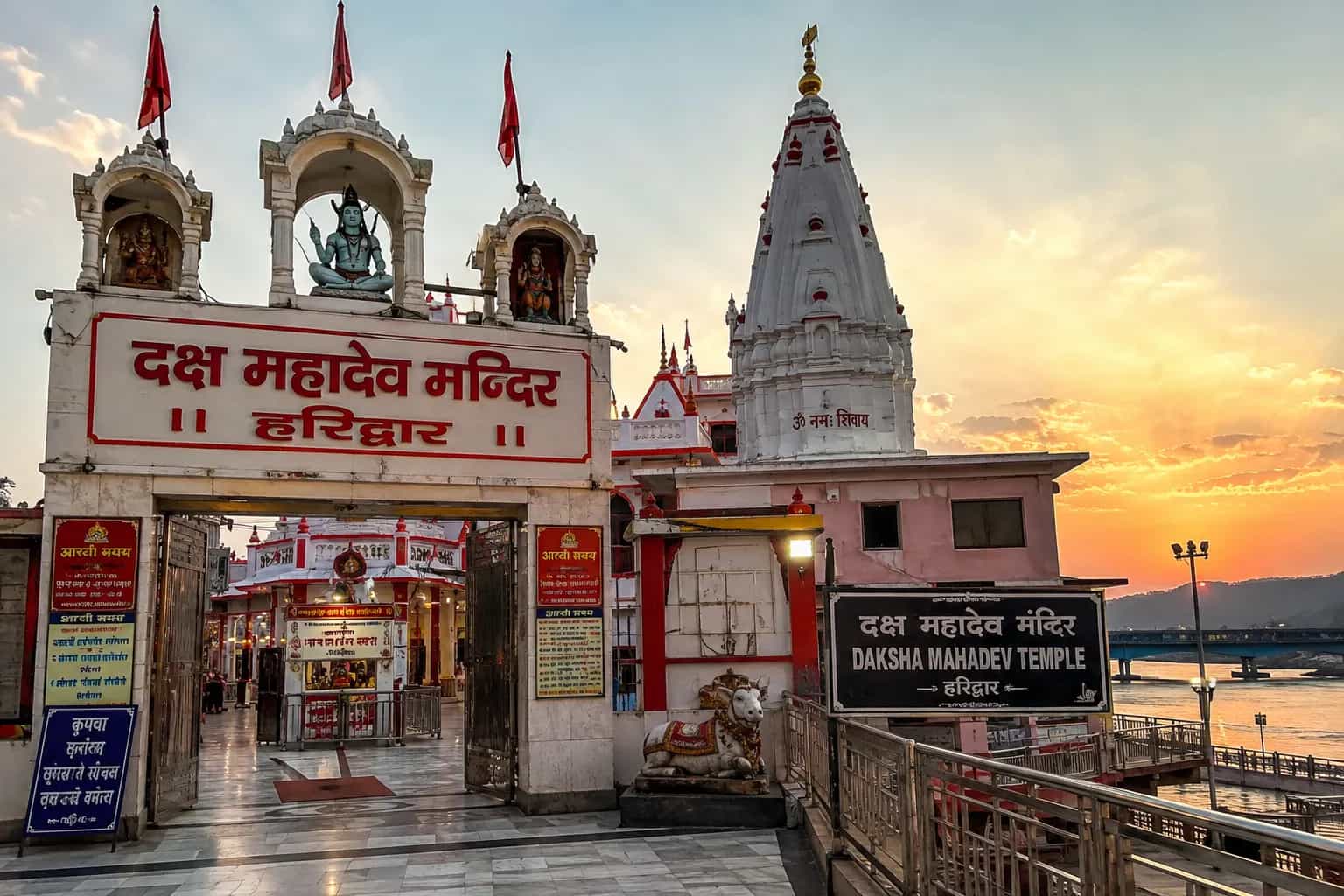
Key temples for Shivratri darshan in Haridwar: Daksha Mahadev Temple in Kankhal, Maya Devi Temple, and the Shiva shrines within the Har Ki Pauri complex. For the hilltop temples, the Neelkanth Mahadev route from Rishikesh sees enormous Shivratri pilgrim traffic and requires advance planning. For temple etiquette and darshan guidance, the official Uttarakhand Tourism site is a useful reference.
Ganga Snan on Maha Shivratri
Taking a holy dip in the Ganga before or during Shivratri worship is considered deeply auspicious. The most sacred time for a Shivratri snan is the Brahma Muhurta, the pre-dawn window between approximately 4:00 AM and 5:30 AM on the morning of the festival, or in the early hours of the following morning after the night-long puja.
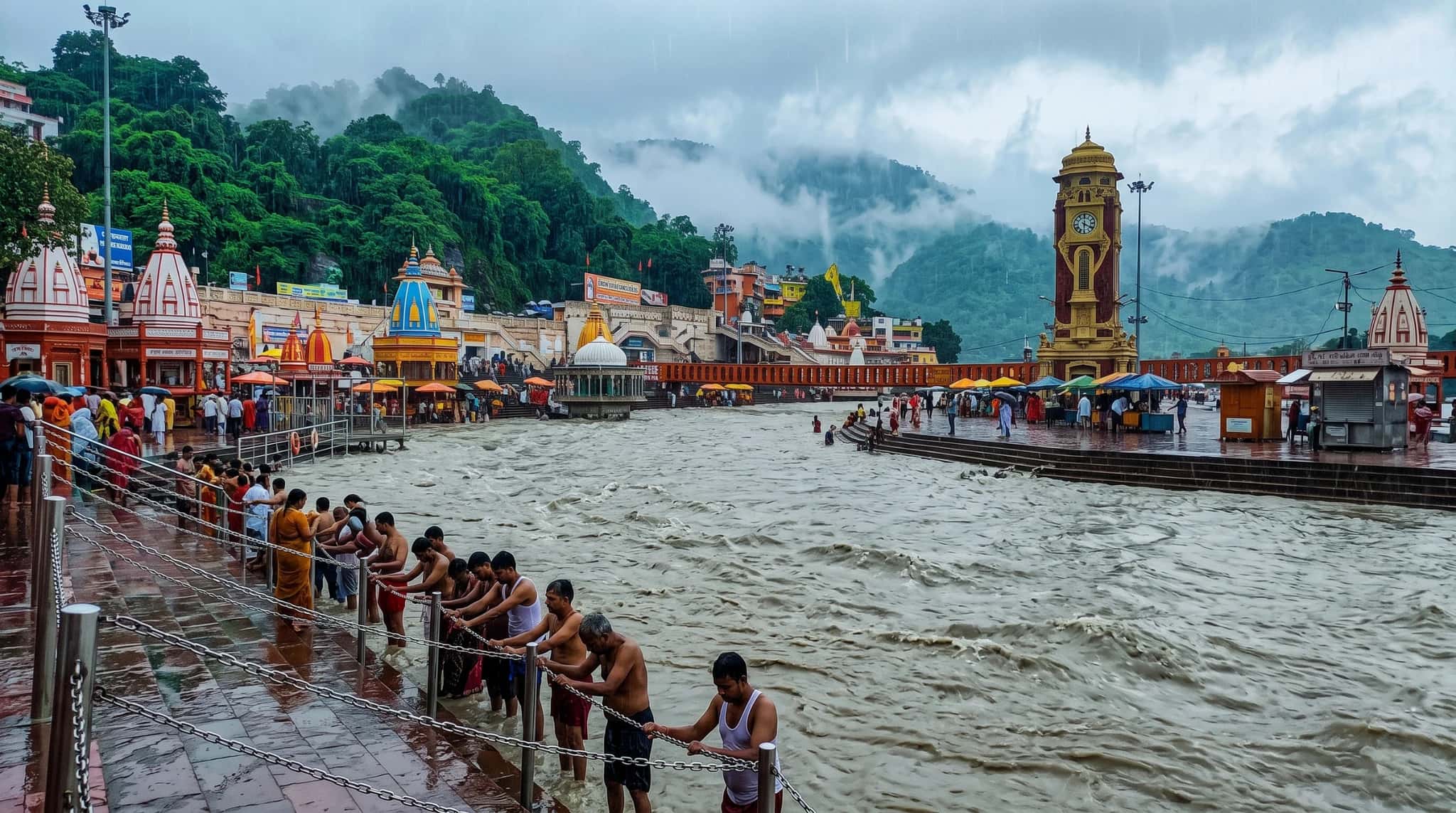
For ghat choice and safety advice, our full guide to Ganga snan in Haridwar covers which ghats are safest, where changing facilities are available, and how to manage the visit with elderly family members or children. On Shivratri the ghats are considerably more crowded than usual, so hold the safety chains at all times and avoid peak hours if travelling with children.
What to Expect: Crowds and Atmosphere
Maha Shivratri draws very large numbers of pilgrims to Haridwar. The central area around Har Ki Pauri and the main market lanes fills substantially from the afternoon onwards. By midnight the crowds peak, then thin toward the pre-dawn hours.
A few practical realities to plan for:
- Road access to the central ghat area is restricted for vehicles during the festival. Park at a designated point on the outskirts and walk or use an e-rickshaw.
- Accommodation in the central areas fills weeks in advance. Book early, or choose a base on the quieter outskirts where rooms are more available.
- Shops and dhabas near the ghats stay open through much of the night, so food and water are accessible.
- Stay in a group and designate a meeting point if you are visiting with family, as mobile signals can be weak in dense crowds.
How to Reach Haridwar for Maha Shivratri
By train: Haridwar Junction is well connected from Delhi, Lucknow, Dehradun, and other major cities. Trains fill quickly around Shivratri, so book several weeks in advance through IRCTC. Check schedules on the IRCTC website.
By road: the Haridwar highway from Delhi via Meerut and Muzaffarnagar handles the highest pilgrim traffic. Expect significant congestion on the day of and day before the festival. The Panipat to Saharanpur alternate route is a faster option. If driving, arrive by early afternoon on the festival day before road restrictions tighten.
By air: the nearest airport is Jolly Grant in Dehradun, about 38 km from Haridwar. A pre-booked taxi from the airport costs approximately 1,500 to 2,200 rupees. For a full comparison of airport options, see our guide on the nearest airport to Haridwar.
For a broader Haridwar travel guide, the best time to visit Haridwar and the official Uttarakhand Tourism site are both useful references. Check the India Meteorological Department for weather conditions, as February nights in Haridwar can be cold.
What to Carry for a Shivratri Visit
- Warm layers: February nights in Haridwar drop to 8 to 12 degrees Celsius. A jacket, shawl, or woollen wrap is essential.
- A change of clothes if you plan to take a Ganga snan.
- Cash: most stalls and rickshaws are cash only.
- A small bag with a secure zip: pickpocketing risk increases in dense festival crowds.
- Bel patra, flowers, milk, and honey if you plan to perform Abhishek at a temple.
- A fully charged phone and a note of your group's meeting point.
Where to Stay for Maha Shivratri in Haridwar
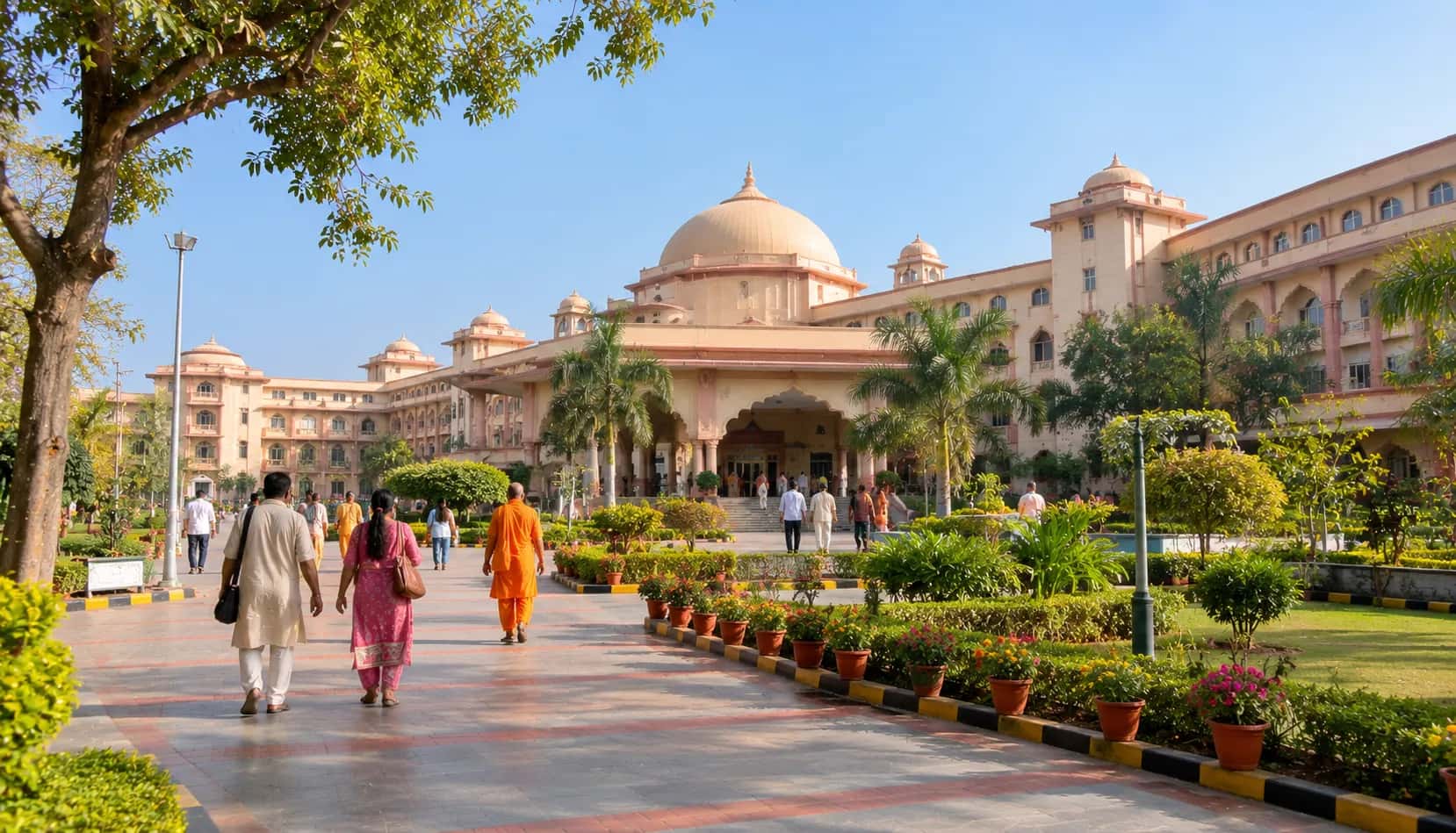
Central accommodation near the ghats is in very high demand during Shivratri and should be booked weeks in advance. For pilgrims who want the ghat experience on the night itself, being close makes sense. For families and those who prefer a restful return after the night-long puja, a comfortable base away from the crowds is the better choice.
Baromas Retreat in Bahadrabad sits on Haridwar's quieter outskirts, about a 40-minute drive (roughly 13 km) from Har Ki Pauri. After a full night of puja, snan, and darshan, returning to a calm, spacious room makes recovery far easier. The outskirts location also means better parking and availability during the festival rush. For help choosing the right area, see our guide on where to stay in Haridwar, and browse more travel ideas on the Baromas Retreat blog.
Planning your Maha Shivratri visit to Haridwar? Book your stay directly with Baromas Retreat on WhatsApp at 7248557777 for a warm, comfortable, and family-friendly welcome.