
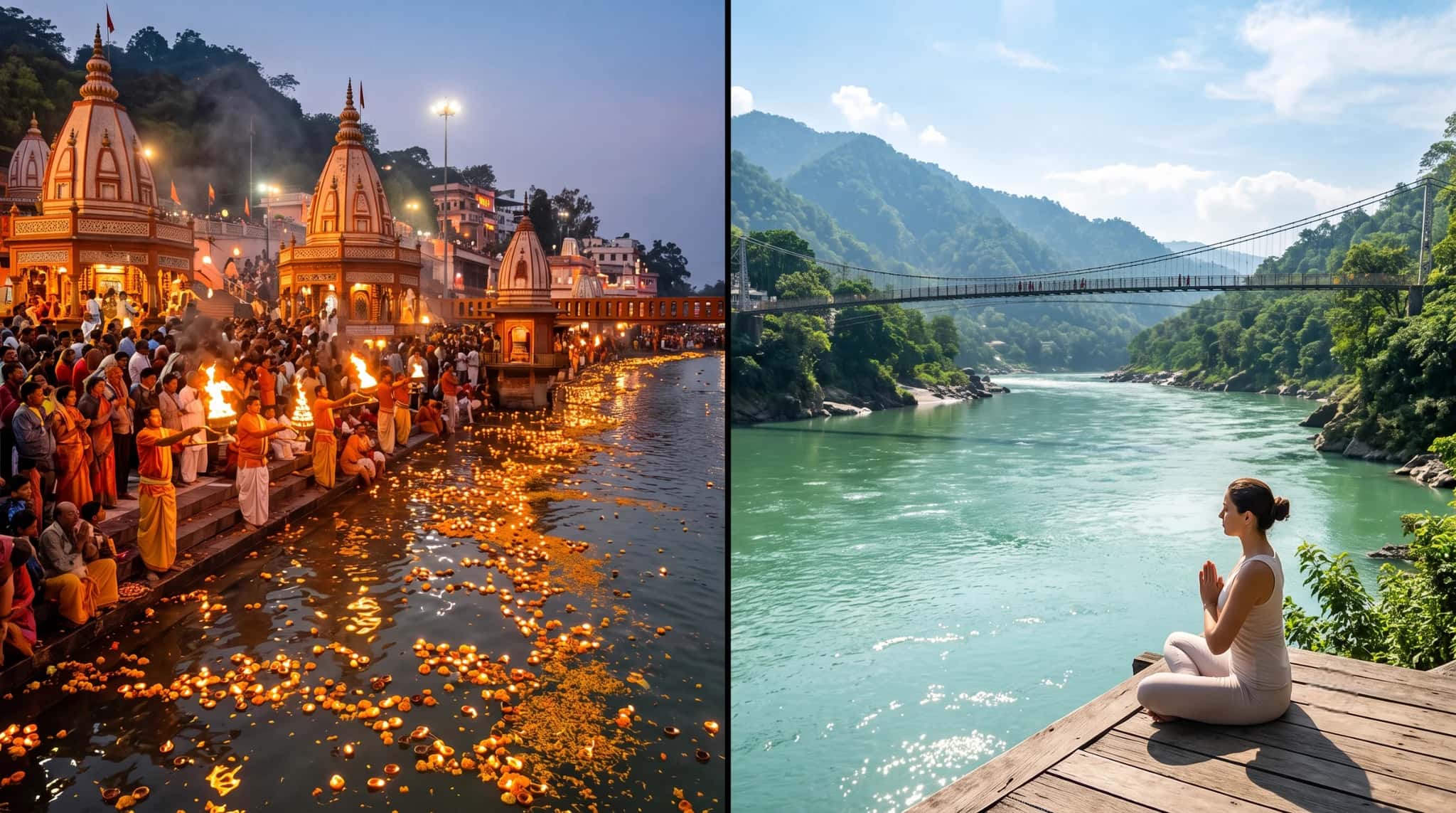
August in Haridwar is unlike any other month. The sacred month of Sawan fills the city with devotion, the Ganga runs full and powerful from the Himalayan rains, and the landscape around the foothills turns a deep, vivid green. If you are planning a visit during the monsoon, this guide gives you an honest picture of what to expect, what Sawan means for the experience, how the Ganga behaves at this time of year, and the safety and travel tips that will make your trip smooth.

What Is Sawan and Why Does It Matter in Haridwar?
Sawan (Shravan) is the holiest month in the Hindu calendar for Lord Shiva worship. In North India, Sawan 2026 runs from 30 July to 28 August. Every Monday of Sawan, known as Sawan Somwar, is a day of fasting and special puja, and the four Sawan Somwars in 2026 fall on 3, 10, 17, and 24 August.
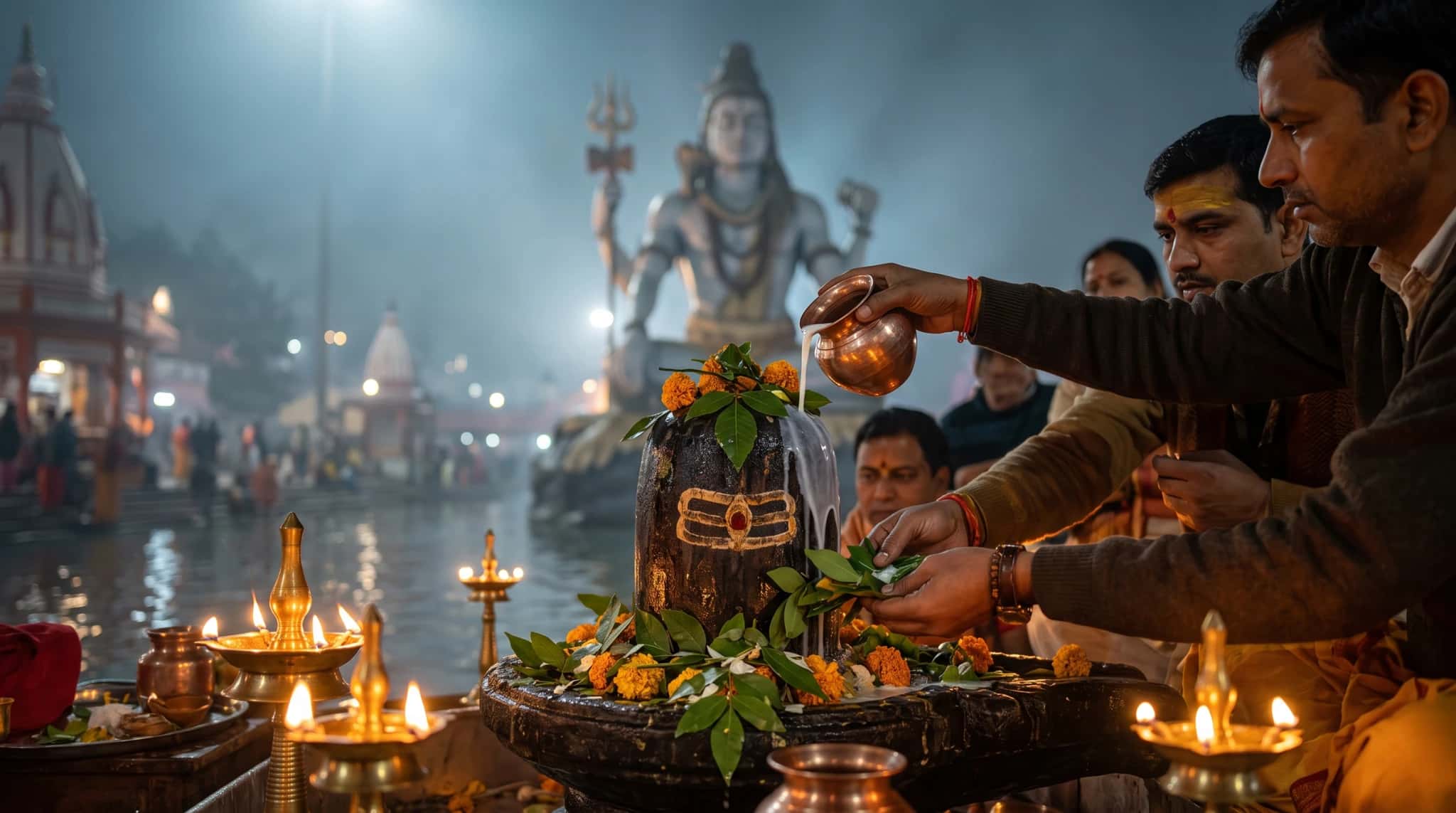
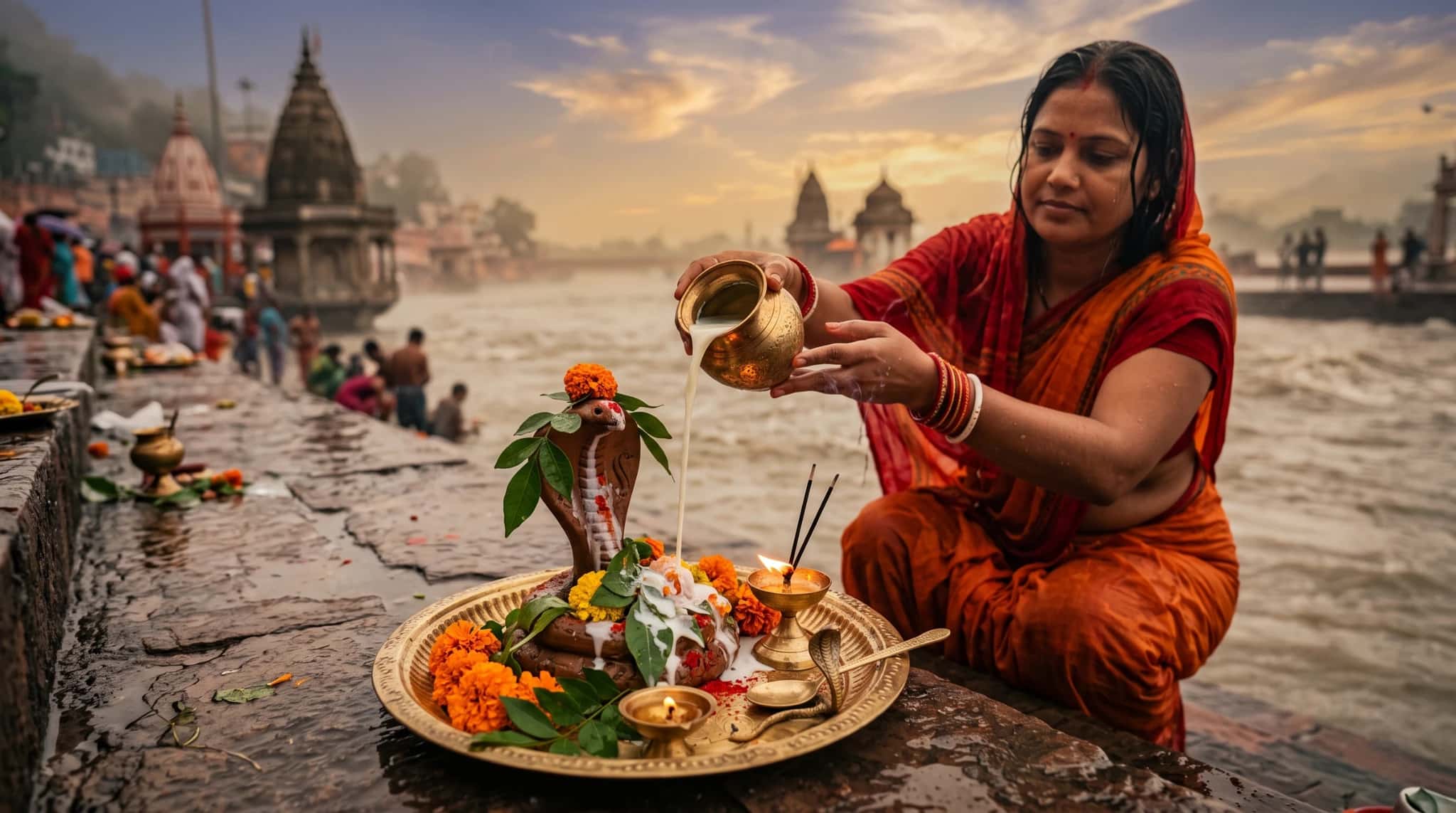
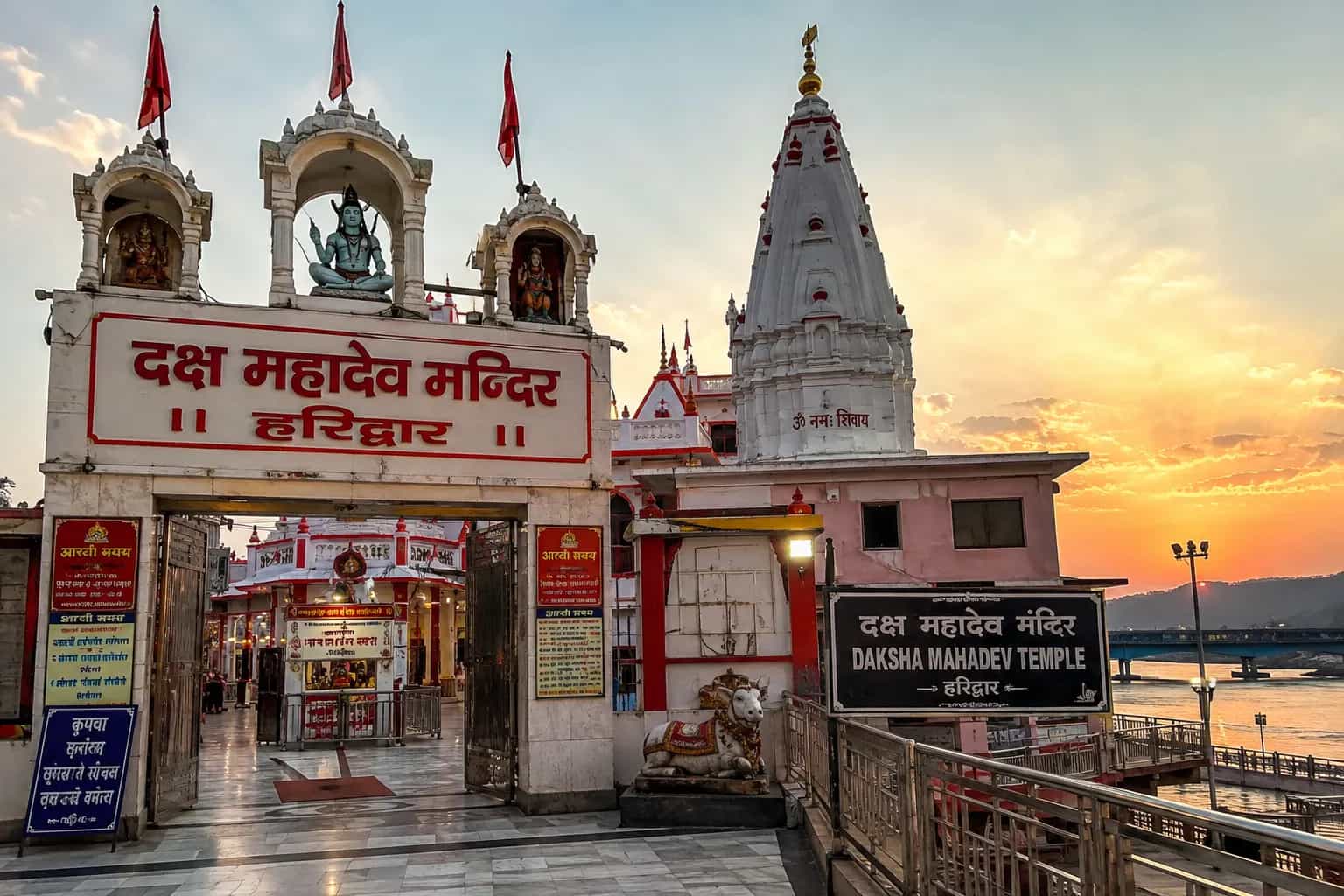
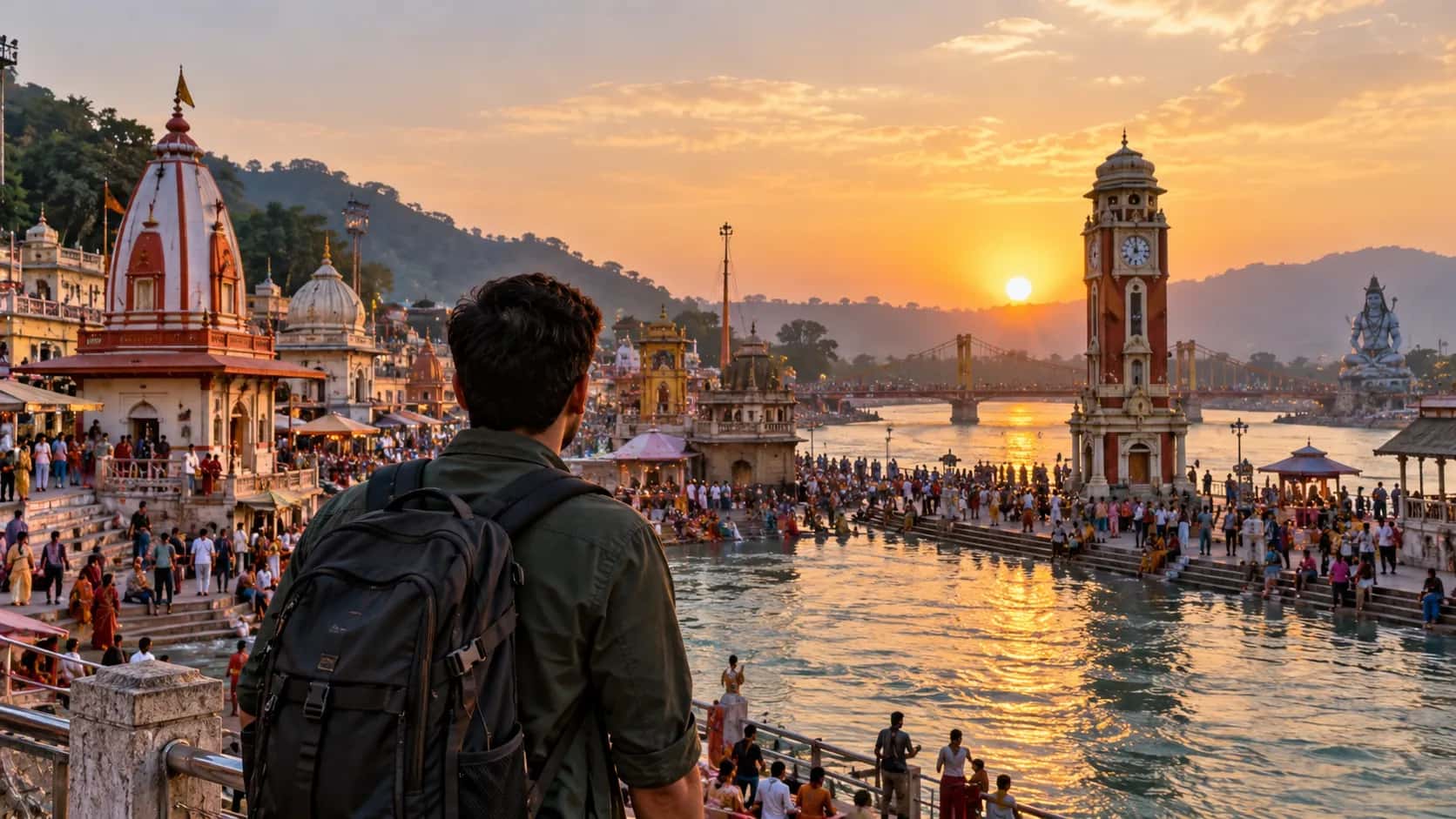
Haridwar is one of the most significant places to observe Sawan because the Ganga flows directly through it. Devotees come to bathe in the river, offer Jalabhishek at the Shiva temples, and participate in the continuous stream of devotional activity that fills the city through the month. The ghats at Har Ki Pauri and the lanes around the main market carry a spiritual intensity during Sawan that is distinct from the rest of the year.
For a deeper understanding of the Kanwar Yatra, the pilgrimage that runs during the first half of Sawan, our dedicated Kanwar Yatra Haridwar guide covers the full picture including routes, types of yatra, and what to expect on the roads.
Sawan Somwar: The Four Most Sacred Mondays
The four Sawan Somwars are the most auspicious days of the month, drawing the largest crowds to the ghats and Shiva temples. Devotees observe a fast from sunrise to sunset, visit Har Ki Pauri for a holy dip, and offer milk, bel patra, honey, and curd at the Shivalingas.
If you are visiting Haridwar on a Sawan Somwar, arrive at the ghats early, well before 7:00 AM, to take your snan before the crowds build. By mid-morning the main ghat area becomes extremely dense. The atmosphere is deeply devotional and worth experiencing, but plan your movements carefully and carry minimal belongings.
The day after each Sawan Somwar tends to be significantly quieter, which is a good time for a more peaceful visit to the ghats and temples.
The Ganga in Monsoon: What You Need to Know
The Ganga at Haridwar during the monsoon is a fundamentally different river from the one that flows here in winter or summer. Heavy rain in the Himalayan catchment areas causes the water level to rise significantly, the current accelerates, and the river turns a silty, turbid colour that is quite different from its clear green-blue winter appearance.
This is not a reason to avoid Haridwar. It is simply the Ganga at full monsoon power, and witnessing it is genuinely impressive. The banks fill, the sound of the water intensifies, and the force of the current is visible even from the ghat steps.
What it does mean for safety:
- Bathing is restricted or prohibited at some ghats when the water level rises above designated flood marks. Follow the instructions of the ghat attendants and local police without exception. Do not enter the water if a red flag or warning sign is displayed.
- Never bathe alone or without holding the safety chains during the monsoon. The current is considerably stronger than at other times of year.
- Keep children and elderly relatives away from the water's edge on high-flow days. The banks can be slippery and the water can rise quickly after upstream rainfall.
- Check the IMD forecast before visiting the ghats. The India Meteorological Department issues daily bulletins, and a heavy-rain upstream advisory is a signal to stay back from the river. Check forecasts at the India Meteorological Department site before each outing.
For ghat-by-ghat safety details and which ghats have the best safety arrangements, see our guide to Ganga snan in Haridwar.
Kanwar Yatra Aftermath: Haridwar After 11 August
The Kanwar Yatra peaked on Sawan Shivratri (11 August 2026) when tens of millions of Kanwariyas performed Jalabhishek. After this date, the city sees a sharp decline in pilgrim traffic. The second half of Sawan, from 12 to 28 August, is significantly quieter, road diversions on NH-34 are lifted, and accommodation becomes easier to find.
This makes mid to late August one of the better-value windows to visit Haridwar during the monsoon. The spiritual atmosphere of Sawan continues, the ghats and temples are still active with Sawan Somwar worship on 17 and 24 August, and the crowds are a fraction of the Kanwar peak.
If you were avoiding Haridwar during the Kanwar fortnight (30 July to 11 August) because of road closures and overcrowding, mid-August is a practical and rewarding time to visit.
What Haridwar Looks Like in the Monsoon
Beyond the pilgrimage activity, the city and its surroundings are genuinely beautiful in the monsoon. The Shivalik foothills around the city turn intensely green, the air is clean and cool after a night of rain, and the Rajaji National Park forests are lush and full of birdlife. The ghats at dawn, with mist rising off the full Ganga and the distant hills green behind it, are among the most atmospheric sights the city offers at any time of year.
The trade-offs are real: roads can become waterlogged after heavy rain, some mountain routes toward Rishikesh and beyond become unreliable with landslide risk, and outdoor sightseeing can be disrupted by rain at any time of day. The city does not shut down, but flexibility in your itinerary is essential.
Safe Travel Tips for Haridwar in Monsoon
A few practical habits make a monsoon visit to Haridwar significantly easier:
- Check road conditions before travelling into the hills. Routes toward Rishikesh, Neelkanth Mahadev Temple, and Mussoorie can be affected by landslides after heavy rain. Follow advisories from the official Uttarakhand Tourism site before heading out.
- Travel by train where possible. The road corridor from Delhi was heavily diverted during the Kanwar Yatra fortnight and road surfaces on some stretches can be waterlogged after sustained rain. Trains are more reliable. Check schedules on IRCTC.
- Carry a light waterproof layer or umbrella. Rain comes without warning and can be heavy for an hour or two before clearing completely. A packable rain jacket is more practical than an umbrella in the market lanes.
- Wear rubber-soled footwear. The ghat steps and temple courtyards are slippery when wet. Sandals with grip or closed shoes are far safer than smooth soles or flip-flops near the water.
- Book accommodation in advance for Sawan Somwar weekends. Even in the quieter post-Kanwar period, the Mondays of Sawan draw additional pilgrims and rooms fill faster than on regular days.
- Start your ghat visits early. The early morning window between 5:30 AM and 7:30 AM is the most peaceful, coolest, and safest time to be near the water, and the light is exceptional.
Best Things to Do in Haridwar During the Monsoon
The monsoon does not limit what you can do in Haridwar; it changes the experience. Here is what works especially well:
- Morning Ganga snan: one of the most atmospheric times to take a holy dip, with the river full and the mist still on the water.
- Evening Ganga Aarti at Har Ki Pauri: the ceremony is unaffected by rain and is arguably more powerful with the swollen river as its backdrop. For timings, see our Ganga Aarti guide.
- Sawan Somwar temple visits: the most meaningful days in the city's religious calendar during this period.
- Bara Bazaar shopping: market visits are completely rain-independent and the lanes are significantly less crowded in mid-to-late August.
- Rajaji National Park: the forest is at its most lush, and early-morning safaris are possible. Check with the park directly for current operational status, as some zones have seasonal closures during peak monsoon.
For more on things to do around the city, see our roundup of things to do near Haridwar.
Where to Stay During the Monsoon
Monsoon is the low season for most Haridwar properties, which means better rates and easier availability outside the Kanwar fortnight and the Sawan Somwar weekends. A comfortable, covered base matters more in the monsoon than at any other time of year, since you will be returning from rain and muddy ghat steps and need somewhere genuinely restful.
Baromas Retreat in Bahadrabad sits on Haridwar's quieter outskirts, about a 40-minute drive (roughly 13 km) from Har Ki Pauri, with easy parking and a calm setting that is genuinely removed from the monsoon congestion of the city centre. Comfortable, affordable rooms and the peaceful outskirts location make it a practical and restful monsoon base. For help choosing the right area, see our guide on where to stay in Haridwar.
Planning your Haridwar monsoon visit? Book your stay directly with Baromas Retreat on WhatsApp at 7248557777 for a warm, comfortable welcome during the Sawan season.